

If you’ve ever stood at a fuel pump or compared car models and wondered, “diesel vs gasoline — what’s better?”, you’re not alone. People compare terms like diesel vs gas, diesel fuel vs gas, and difference between diesel and gasoline, it’s clear many drivers want more than just a quick answer. They deserve clarity.
In this detailed guide, we’ll explore:
- What diesel is vs what gasoline (gas) is
- How fuel chemistry and engine design diverge
- Real-world performance and maintenance differences
- Diesel price vs gasoline price (India, USA)
- Which fuel (and engine) is better for you
1. Diesel vs Gasoline: Fuel Basics Explained


What is gasoline (gas)?
Gasoline, also called petrol in many countries, is a refined liquid fuel derived from crude oil. It’s light, volatile and designed for spark-ignition engines.
When you pump “gas” at a station in the US, you’re using gasoline. In India, it’s often labelled “petrol.”
What is diesel fuel?
Diesel is a heavier petroleum distillate. Compared to gasoline it has longer carbon chains, higher density and is suited to compression-ignition engines. Because of this, diesel fuel holds more energy per litre than gasoline.
Diesel vs gasoline difference in fuel
| Property | Diesel fuel | Gasoline (gas) |
|---|---|---|
| Density | Higher — heavier & thicker | Lower — more volatile |
| Ignition | Compression (heat of air alone) | Spark plug ignition |
| Energy per unit | More energy content | Less than diesel |
| Volatility | Less volatile, slower burn | More volatile, quick combustion |
| Typical use | Trucks, heavy vehicles, high-torque engines | Cars, lighter vehicles, quick bursts |
Because of these differences, the fuel side of “diesel vs gasoline” plays into cost, efficiency, emissions and suitability.
2. Diesel vs Gasoline Engines: How They Differ

When we move from fuel to engine type, the phrase “diesel vs gasoline” takes on another meaning: the differences between diesel and petrol/gasoline engines.
Both diesel and gasoline engine performs uniquely when ECU remapped, here is the full article of ECU Remapping Explained.
How a gasoline engine works
A gasoline (gas) engine uses a spark plug to ignite a mixture of air and fuel in the cylinder. It typically operates on the Otto cycle. It tends to have a lower compression ratio, higher rev-range and optimized for smoother operation and quicker throttle response.
How a diesel engine works
A diesel engine compresses air to a much higher ratio. At the end of compression, diesel fuel is injected and ignites by the heat of compressed air — no spark plug needed. The engine is built sturdier, designed for high torque and longer life.
Diesel vs gasoline engine difference
Compression ratio: Diesel engines 14:1 to 25:1; petrol engines typically 9:1 to 12:1.
Torque and revs: Diesel engines produce high torque at low RPM; gasoline engines produce higher revs but less torque.
Durability: Diesel engines often last longer, because they’re built for more loads and abuse.
Refinement / NVH (Noise-Vibration-Harshness): Gasoline engines are quieter and smoother; diesels can be noisier and more vibration-prone.
Cost of engine build: Diesel engines tend to cost more to manufacture and maintain (turbochargers, particulate filters) while gasoline engines cost less to build and buy.
When you search “diesel vs gasoline” you’re often comparing the engine side too — because fuel choice usually dictates engine design.
3. Diesel vs Gasoline Price Comparison (India & USA)
Why price matters
When deciding between diesel vs gasoline, cost per litre/gallon matters a lot for the everyday driver.
It’s not just “which fuel burns cheaper” but “which fuel + engine combination gives better value.”
Diesel price vs gasoline price in India
In India:
- Traditionally, diesel was heavily subsidised → cheaper per litre.
- Recently, subsidies have reduced; diesel is often close to or even more expensive than petrol in some cities.
- Maintenance and differences in engine cost matter more for running cost than just fuel.
Diesel vs gas price in the USA
In the US:
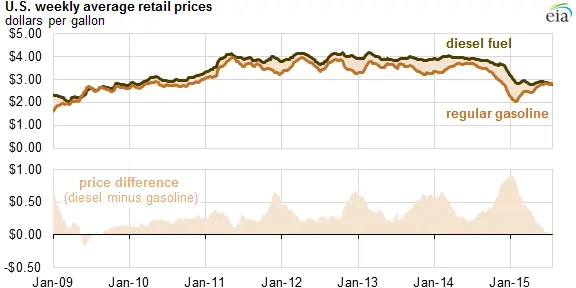
- Gasoline is the more common fuel; diesel often costs more per gallon.
- However, diesel vehicles often return better mileage (fuel economy) so overall cost per mile may be lower.
Quick real-world illustration
| Region | Typical gasoline price | Typical diesel price | Note |
|---|---|---|---|
| India (2025) | ₹ 100-₹ 110/litre (~US$1.20) | ₹ 85-₹ 95/litre | Running cost difference narrow |
| USA (2025) | US$3.50/gal (~US$0.92/litre) | US$$3.72/gal (~US$0.98/litre) | Diesel still expensive upfront but better mileage |
Takeaway: Even if diesel fuel costs more in some places, the diesel engine’s efficiency can offset that. But for city use with lower annual mileage, gasoline may be more cost-effective.
4. Performance, Maintenance & Real-World Use
Mileage & efficiency
- Diesel engines have higher thermal efficiency and can use fuel more fully.
- For example, many modern diesel cars get 20-30% better mileage on the highway compared to gasoline equivalents.
- For frequent short city trips, the benefit shrinks; stop-start kills diesel’s advantage.
Maintenance & ownership costs
| Diesel | Gasoline |
|---|---|
| Higher upfront cost, heavier engine, higher servicing cost (DPF, turbo, injectors) | Lower purchase cost, more affordable service, widely available parts |
| Great for high mileage, highways, heavy loads | Better for city commuting, lower running hours, lighter vehicles |
| Quieter refinement improving constantly | Very refined, smooth running, fewer vibration issues |
Driving experience
- Diesel: Bliss for towing, long highway runs, torque fill-in at low speeds.
- Gasoline: Thrill for high revs, sporty feel, less noise & vibration.
“Diesel engine = more torque, more vibrations; gasoline is the opposite.”
Environmental & regulatory factors
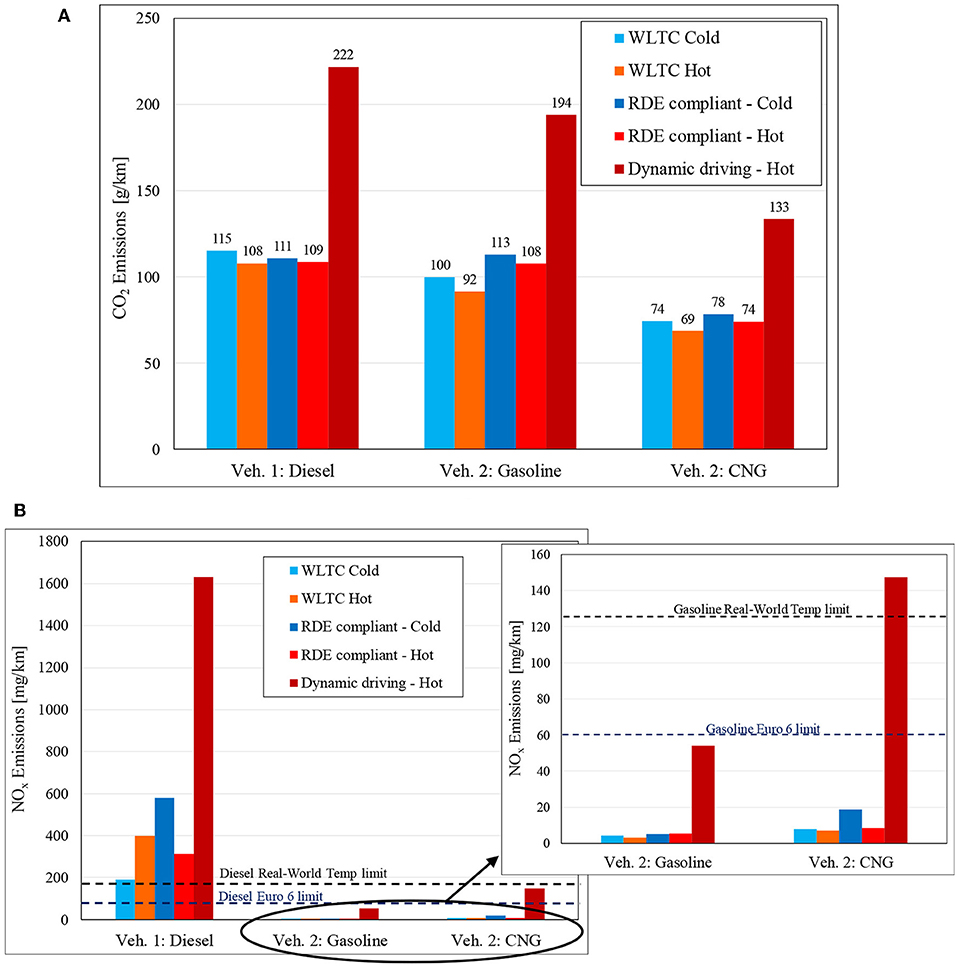
- Gasoline engines typically emit fewer particulates and NOx than older diesels.
- Diesel’s superior CO₂ numbers can be offset by heavy filtering systems and high initial cost.
- In some countries, diesel vehicles face higher taxes or restricted zones.
What if I tell you that your car’s engine dynamics can be changed whether it’s a diesel or a gasoline, sounds amazing: right? Well, I am talking about Stage 1 ECU Tuning, if you are interested in increasing your car’s potential despite the engine, here is the detailed guide of Stage 1 vs Stage 2 Tuning.
5. Diesel vs Gasoline: Which Should You Choose?
Key decision factors for you
- Annual mileage
- 15,000-20,000 km/year and long highway use → diesel may be worth it.
- <10,000 km/year mostly city use → gasoline likely better value.
- Ownership duration
- Keeping vehicle >5 years → diesel engine’s durability pays off.
- Selling after 2-3 years → gasoline’s lower upfront cost wins.
- Maintenance capability
- Access to quality servicing, parts, skilled mechanics → diesel safe.
- Basic service availability, budget constraints → gasoline easier.
- Tax, fuel price trends, incentives
- Check local diesel vs petrol prices and policy (India, USA, Europe).
- Example: If diesel is significantly taxed or restricted, the economics shift.
- Intended use
- Heavy loads, frequent highway, towing → diesel ideal.
- Urban commute, light driving, spontaneity → gasoline preferred.
Quick checklist
- ✅ Frequent long drives, heavy use → Go diesel.
- ✅ Mostly city, shorter ownership horizon, lower cost → Go gasoline (gas).
- ✅ Value both fuel+engine as system, not separately.
- ✅ Track real fuel price, local servicing cost, resale value before deciding.
6. Final Thoughts: Diesel vs Gasoline Difference in One Sentence
When you compare diesel vs gasoline, you’re comparing more than just fuel. You’re comparing how that fuel is used in an engine, how much it costs over time, how it drives, and what it demands in service.
- Diesel fuel offers higher energy content, diesel engines provide greater efficiency and torque.
- Gasoline fuel burns faster in spark-ignited engines, generally costs less upfront, and offers smoother, simpler ownership.
- Diesel price vs gasoline price can flip based on region and policy — so local market context is key.
- Ultimately, the best choice is less about brand bias and more about your driving style, annual running, and maintenance readiness.
Closing Note
When you search for diesel vs gas, difference between diesel and gasoline or any variant, remember: you’re not just comparing two fuels. You’re comparing two systems — fuel, engine, ownership, cost, and lifestyle.
Make your decision smartly, informed by your driving habits, local market and long-term plans — and you’ll be ahead of most people who bail on diesel/gas promises too early.
FAQs
Diesel fuel is heavier with longer carbon chains, higher density and designed for compression-ignition; gasoline is lighter, more volatile and designed for spark-ignition.
It depends on region. In many markets diesel used to be cheaper, but rising taxes, stricter emission standards and higher base cost means in some areas diesel is now costlier than gasoline — always check your local fuel price trends.
Both can be remapped (tuned) but diesel tuning often leverages high torque and may stress engine/after-treatment systems. For gasoline, high RPM tuning can raise heat and risk. Always use reputable tuner, keep realistic expectations, and consider fuel type’s inherent strengths.
Diesel engines generally last longer if maintained properly — they run at lower RPMs, build more torque and operate more efficiently, which in many cases translates into higher longevity.
Think: how many kilometres per year you’ll drive, where you’ll drive (city or highway), how many years you’ll keep the vehicle, and how much you’re willing to spend on maintenance. Plug those into cost + fuel economy + resale to decide.

Founder of TheCarLane | Automotive Enthusiast
Ayush focuses on engines, tuning, diagnostics, and real-world driving knowledge to bring accurate, easy-to-understand car content to readers.