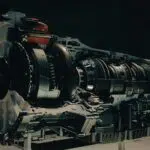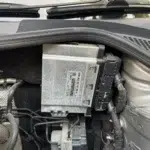

A timing belt is a reinforced rubber belt inside your car’s engine that keeps two critical components — the crankshaft and the camshaft — moving in perfect synchronisation. Its job sounds simple. However, the consequences of it failing are anything but simple. Understanding what a timing belt does, and why it matters, is one of the most useful things a car owner can know.
What Does a Timing Belt Do?
To understand the timing belt’s job, it helps to understand what the crankshaft and camshaft actually control. The crankshaft is connected to the pistons — it converts the up-and-down movement of the pistons into the rotational force that drives the wheels. The camshaft controls the valves — the small doors that let the air and fuel mixture into the combustion chamber and let exhaust gases out after combustion.
For the engine to run correctly, these two systems have to work in precise coordination. The intake valve needs to open at exactly the right moment to let fuel and air in. The exhaust valve needs to open at exactly the right moment to release the burned gases. The pistons need to be in the right position when each of those events happens. The timing belt is what keeps all of this synchronised. It connects the crankshaft and camshaft so they turn in the correct relationship to each other. This happens thousands of times per minute.
Think of it as the conductor of an orchestra. Every section has its own part to play, but without the conductor keeping everyone in time, the music falls apart. The timing belt is what stops your engine from falling apart in exactly the same way.
Where Is It Located?
The timing belt sits at the front or side of the engine — the exact position varies by manufacturer — enclosed behind a protective cover that keeps it shielded from oil, debris, and heat. Because of this cover, the belt is not visible during a routine inspection. It cannot be easily assessed without partially disassembling the engine. This is one reason why timing belt maintenance is based on mileage and age rather than visual condition. By the time a belt shows obvious external wear, it may already be past the safe replacement point.
Timing Belt vs Timing Chain — What’s the Difference?
Not every engine uses a timing belt. Many modern engines use a timing chain instead — a metal chain that performs the same synchronisation job but operates differently in terms of maintenance and lifespan.
A timing belt is lighter, runs more quietly, and is generally less expensive to manufacture — but it requires periodic replacement because rubber degrades over time. Conversely, a timing chain is heavier and slightly noisier, but is designed to last the life of the engine under normal maintenance conditions. It does not have a scheduled replacement interval.
The easiest way to tell which your engine uses is to check your owner’s manual under the scheduled maintenance section. A listed timing belt replacement interval confirms a belt. No timing belt entry in the maintenance schedule indicates a chain. If you’re unsure, search your engine code alongside “timing belt or chain” for a definitive answer.
Interference vs Non-Interference Engines — Why It Matters
The consequences of a timing belt failure depend heavily on what type of engine you have — and this is the most important thing to understand about timing belts.
In a non-interference engine, the pistons and valves are designed to occupy separate spaces within the cylinder. If the timing belt snaps, the engine stops immediately but the internal components don’t collide. The result is a breakdown — frustrating and expensive to fix, but the engine itself is undamaged.
In an interference engine, the pistons travel into the same space the valves occupy, relying entirely on correct timing to avoid contact. When the timing belt snaps, there is nothing to stop them colliding. Bent valves and damaged pistons are the typical outcome. In severe cases the cylinder head is destroyed. Repair costs for interference engine failures typically run from £1,500 to £4,000 in the UK. On older cars, they frequently exceed the vehicle’s market value entirely.
The vast majority of modern petrol and diesel engines are interference designs. This is why the timing belt replacement interval is not optional — it marks the point at which the statistical risk of failure becomes unacceptable. The consequences of failure on an interference engine are severe enough that no amount of delay is worth the risk.
What Happens If a Timing Belt Fails?
If The experience of a timing belt failure while driving is typically sudden and unmistakable. The engine cuts out without warning. Power steering and brake assistance are lost, and the car will not restart. On a non-interference engine, recovery and a new belt kit are all that’s needed. On an interference engine, the damage assessment begins before any repair can be planned. The outcome depends on what speed and load the engine was running at when the belt let go.
What makes timing belt failure particularly difficult to anticipate is that the rubber belt can look perfectly intact while being structurally compromised. The internal tensile cords that carry the belt’s load degrade with heat and age in ways that are invisible from the outside. A belt that passes a visual inspection can still snap without warning. For a detailed breakdown of what to watch for before failure occurs, the symptoms of a bad timing belt guide covers each warning sign and how seriously to treat it.
How Long Does a Timing Belt Last?
Most manufacturer replacement intervals fall between 60,000 and 100,000 miles, combined with an age limit of 5 to 10 years — whichever is reached first. The age limit is often underappreciated. A car that covers only 5,000 miles per year can have a belt that is genuinely at end of life through heat cycling, rubber hardening, and environmental degradation long before it approaches its mileage limit. The rubber degrades whether or not the engine is being used regularly. This is why time matters as much as distance.
For used cars with incomplete or missing service history, the correct approach is to replace the timing belt regardless of assumed mileage. The cost of a complete timing belt kit including labour ranges from approximately £250 to £550 at an independent garage in the UK. The cost of an interference engine failure is several times that figure.
What Causes a Timing Belt to Break?
The most common cause of timing belt failure is simply age — rubber breaks down through heat cycles and environmental exposure regardless of mileage. Exceeding the manufacturer’s recommended replacement interval is the single biggest preventable risk factor.
Beyond age, oil or coolant contamination degrades belt material and can cause slipping or sudden failure even on a belt within its interval. This is why an oil leak near the timing belt cover requires immediate attention. The belt may need replacing before its scheduled service simply because the operating environment has changed.
Poor installation — incorrect tensioning or misaligned pulleys — can cause uneven wear that leads to premature failure. And worn tensioners or idler pulleys, which guide and maintain tension on the belt, can cause the belt to slip or wear unevenly if they’re not replaced at the same time as the belt itself. This is why reputable garages replace the complete kit — belt, tensioner, and idler pulleys — rather than the belt alone.
Does a New Timing Belt Improve Performance?
A new timing belt does not add power. But on an engine where the belt has stretched or degraded, replacing it restores the precise timing the engine was designed to operate at. The practical result is smoother running, restored fuel efficiency, and the elimination of any misfires or hesitation caused by timing drift. It is a reliability restoration rather than a performance upgrade. However, on a high-mileage engine, the improvement in smoothness can be noticeable.
Why Timing Belt Maintenance Is Non-Negotiable
Ignoring the timing belt replacement interval is one of the most common causes of avoidable engine failure. The belt gives no reliable warning before it snaps, the internal damage on an interference engine is severe, and the repair cost frequently exceeds the value of the car it was fitted to.
Replacing a timing belt on schedule is one of the highest-value maintenance items on any car. It protects the entire engine, prevents unexpected breakdowns, and costs a fraction of what failure would. If there is one service interval that should never be treated as optional, it is this one.
Last Updated: April 2026
FAQs
A timing belt keeps the engine’s crankshaft and camshaft synchronized so the valves open and close at the correct time during combustion. This precise timing allows the engine to run smoothly and prevents internal components from colliding.
The purpose of a timing belt is to maintain accurate engine timing between moving parts. It ensures efficient combustion, protects internal engine components, and allows the engine to operate safely at all speeds.
Most timing belts need replacement based on mileage or age, typically between 60,000–100,000 miles or every 5–7 years. Because timing belts often show no visible warning signs before failing, following the manufacturer’s recommended service interval is the safest indicator.
Driving with a worn or failing timing belt is risky. While the engine may still run temporarily, a sudden belt failure can cause the engine to shut off or result in serious internal damage, especially in interference engines.
A new timing belt does not increase horsepower, but it restores proper engine timing. This can improve smoothness, reliability, and fuel efficiency if the old belt was worn or stretched.

Founder of TheCarLane | Automotive Enthusiast
Ayush shares practical automotive knowledge based on real-world ownership and hands-on experience. His work focuses on diagnostics, engine systems, common car problems, and clear explanations that help everyday drivers understand their vehicles better.