
When it comes to boosting engine performance, many drivers wonder about the difference between a supercharger and a turbocharger. The two most common systems are superchargers and turbochargers. Though they share the goal of boosting engine output, they achieve it in very different ways — and each has clear advantages, trade-offs, real-world implications, and market availability.
This guide explains how they work, the key differences, types, performance traits, reliability concerns, real applications, and how availability differs in India compared to other countries. If you are exploring the world of power upgrades — or simply want to understand “superchargers vs turbochargers” — this article covers everything you need in one readable.
Working Process: Superchargers vs Turbochargers
Both superchargers and turbochargers compress air before it enters the engine, but the difference between a supercharger and turbocharger comes from how each is powered.
Superchargers

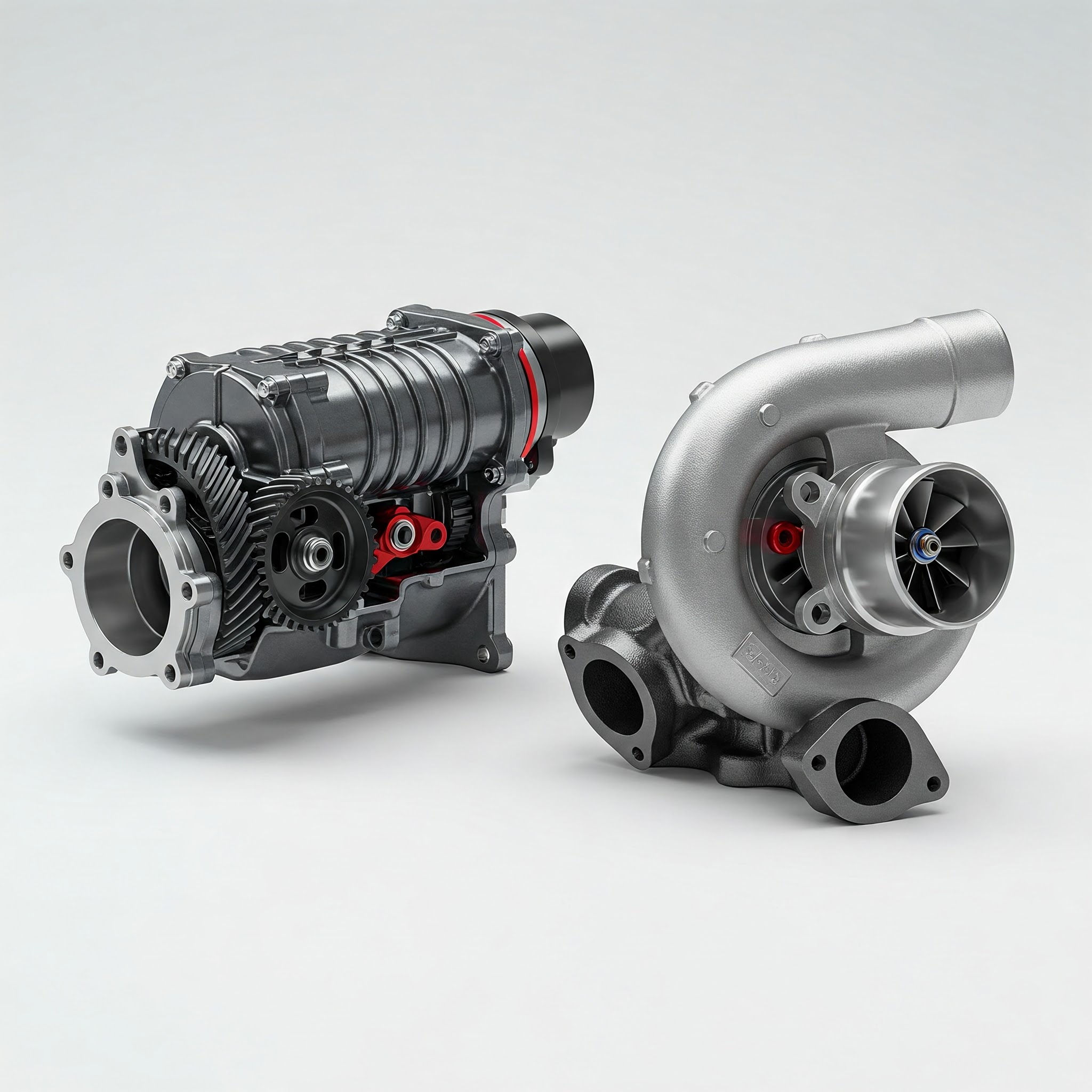
A supercharger is mechanically driven — typically by a belt, shaft or gear connected to the engine’s crankshaft. Because the compressor is powered by the engine itself, boost is delivered almost instantly as engine speed rises. The key trade-off is the parasitic load: the engine must work harder to drive the compressor
There are several common types of superchargers:
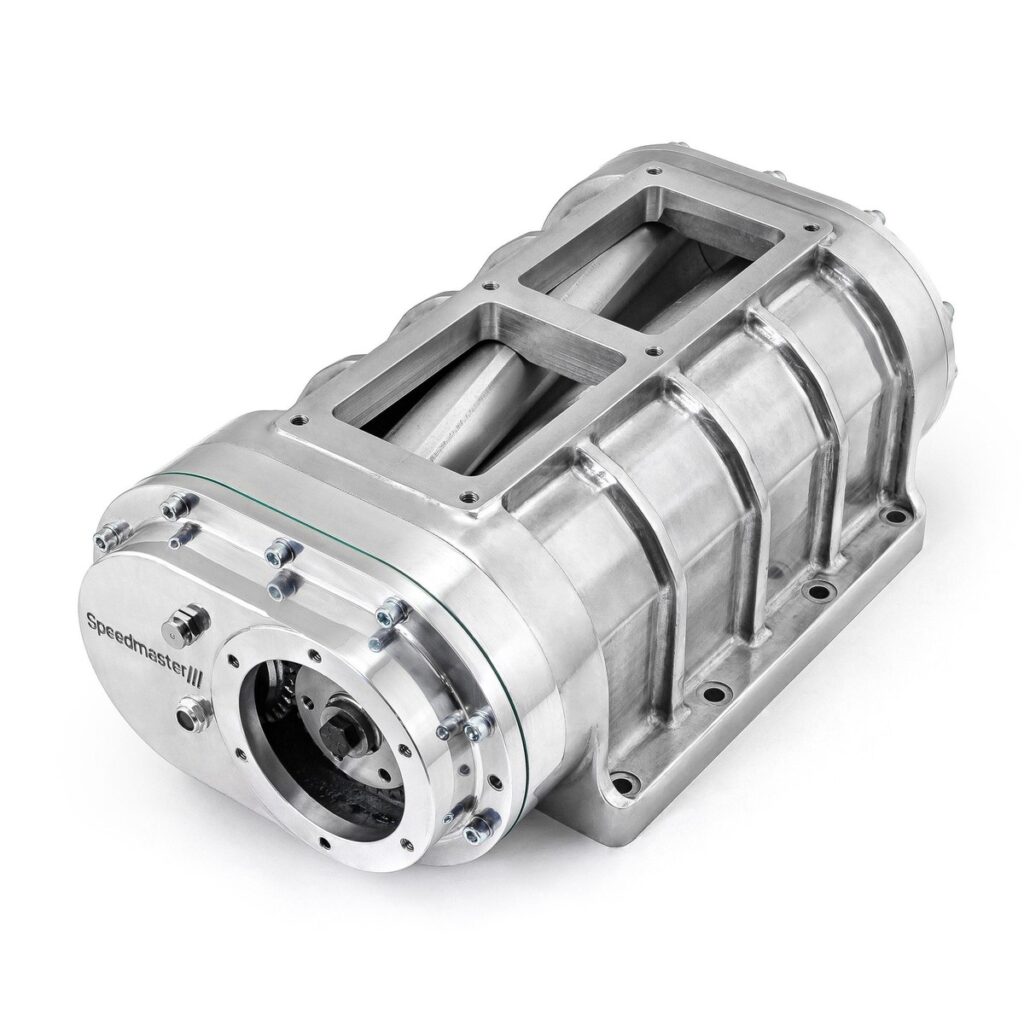
- Roots-type: large lobed rotors that push air into the intake manifold.
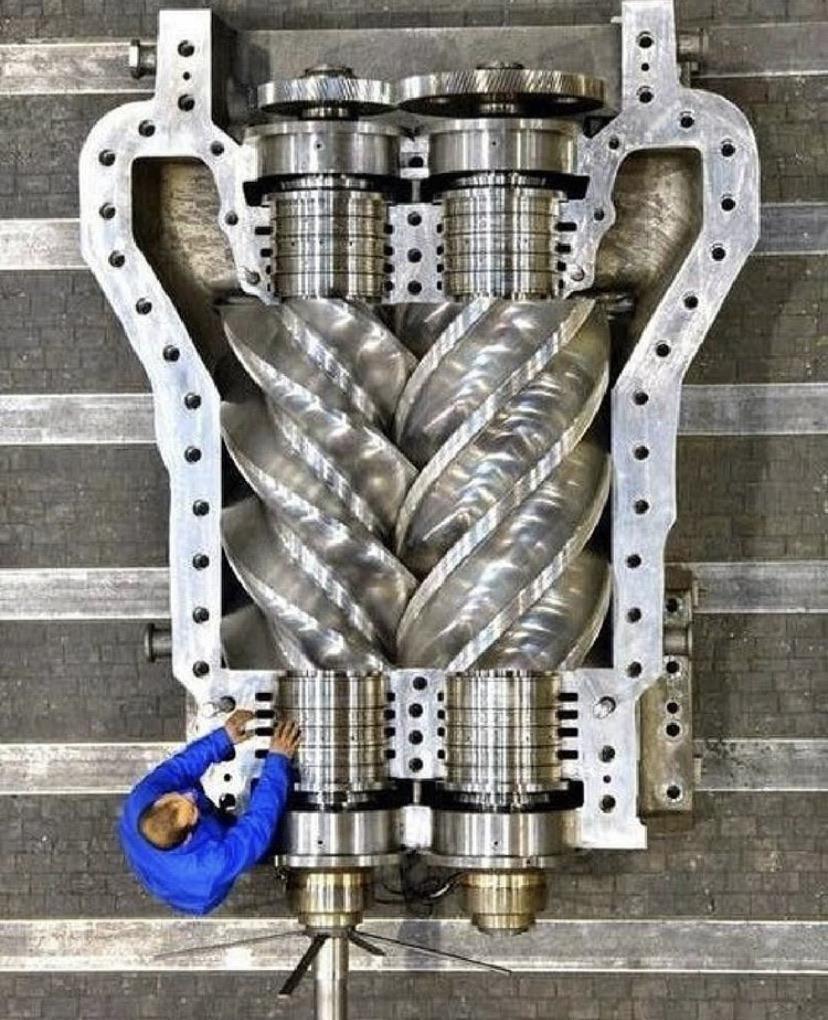
- Twin-screw (or Lysholm): compresses air internally before delivery, offering better efficiency than Roots.
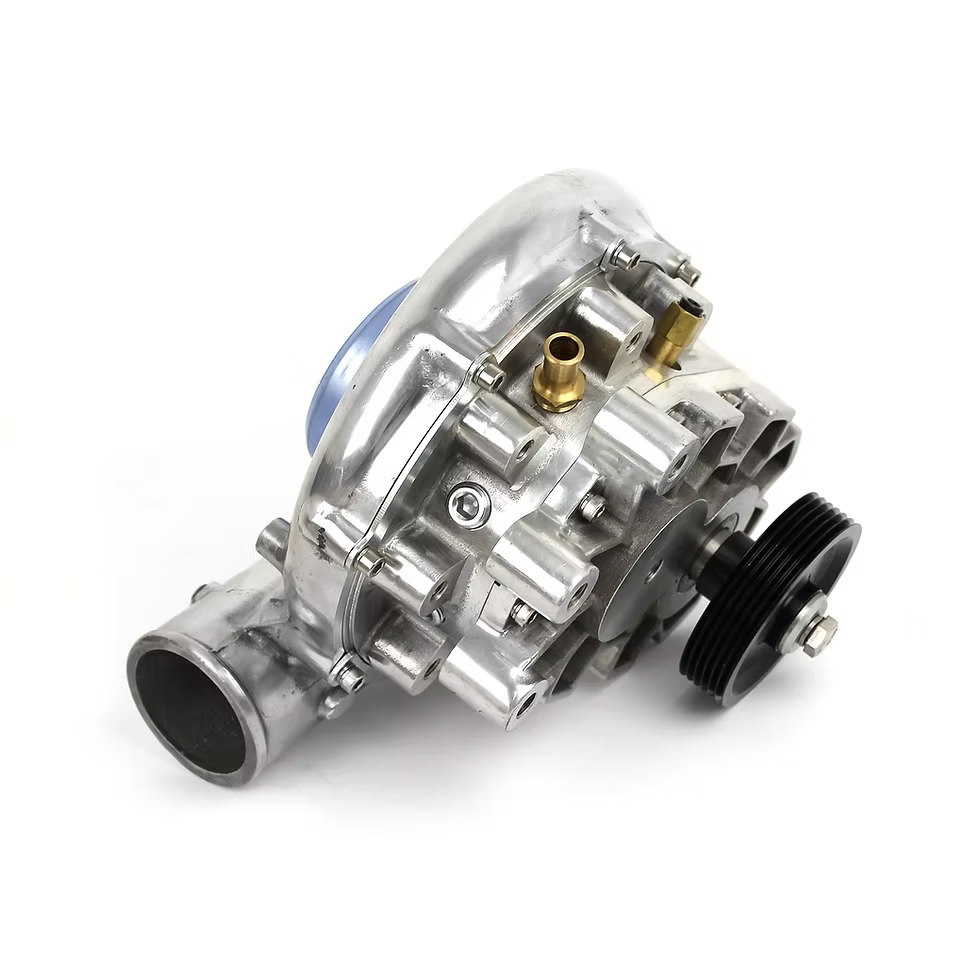
- Centrifugal: resembles a turbo in compressor layout, but is driven by the belt rather than exhaust gas.
Turbochargers
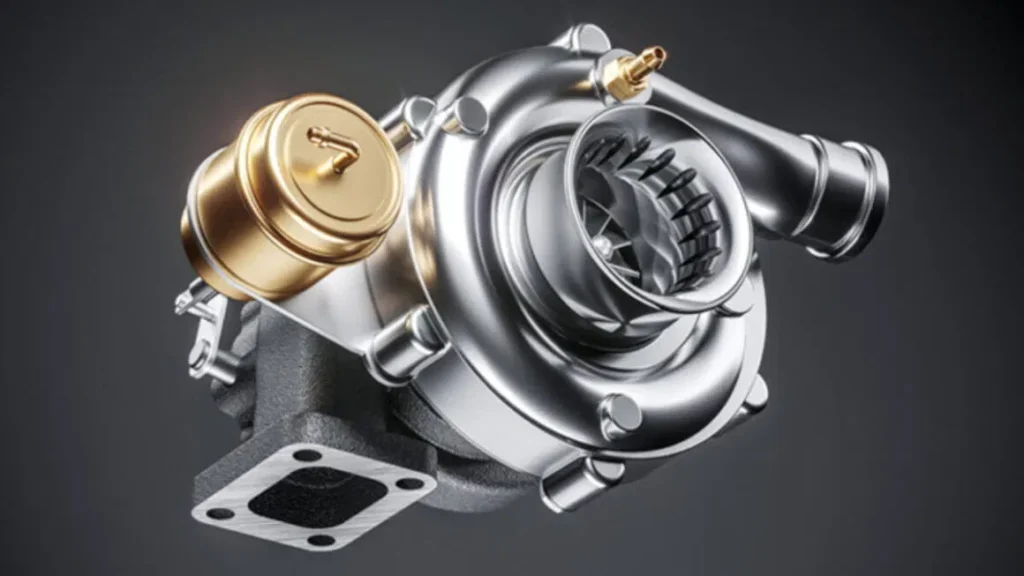
A turbocharger uses the energy in exhaust gases to spin a turbine, which is connected to a compressor that forces more air into the engine. Because it harnesses otherwise wasted energy, the turbocharger adds less direct load to the engine compared to a mechanically driven supercharger.
Turbolag (the delay before full boost) is often the main trade-off. Modern turbos reduce lag with twin-scroll designs, variable geometry turbines (VGT), and lighter internals. Efficiency gains and scalability are strong suits of turbocharging.
There are a lot of car enthusiasts that want to unlock more power from their car, there is a term called tuning or ECU remap which unlocks a different side of your car’s engine. If you want to know more, you can dive in this article on “ECU Remapping Explained“
Key Differences Between Superchargers vs Turbochargers
Drive source
- Supercharger: driven by crankshaft (mechanical)
- Turbocharger: driven by exhaust gas (kinetic)
Response and feel
- Superchargers deliver instant throttle response because of mechanical drive.
- Turbochargers may deliver lag, especially at low rpm, as exhaust flow builds.
Efficiency and fuel economy
- Turbochargers generally have an edge because they use exhaust energy rather than engine power to spin the compressor.
- Superchargers impose parasitic losses on the engine.
Boost and tuning potential
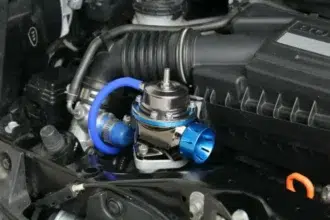
- Turbos offer huge headroom for tuning upgrades (larger turbine/compressor, stages of boost) because the drive source doesn’t rob engine power directly. Turbocharged engines build boost pressure, and when the throttle suddenly closes, excess pressure is relieved using components like a blow-off valve.
- Superchargers are limited by mechanical drive, parasitic loss, and often heat management in the intake.
Packaging and thermal management
- Superchargers are often mounted directly on or above the engine intake, which may introduce heat and height challenges.
- Turbos require exhaust plumbing, downpipes, coolant/oil lines, and effective intercooling to manage heat soak.
Usage trends in OEM and aftermarket
- Many modern production cars favour turbochargers due to downsizing, emissions regulation and fuel economy requirements.
- Superchargers feature more frequently in high-performance or luxury applications where immediate throttle response is prized.
Superchargers and Turbochargers work uniquely on diesel and gasoline engines.
Types Comparison: Superchargers vs Turbochargers
Superchargers
1. Roots Supercharger
Instant boost, excellent low-end torque; less efficient; more heat.
2. Twin Screw Supercharger
More efficient than Roots, good across rpm, still mechanical load.
3. Centrifugal Supercharger
High rpm flow, lower mechanical drag, but boost builds with rpm.
Turbochargers
1. Single-scroll/single-turbine
Simple, cost-effective, may have more lag.

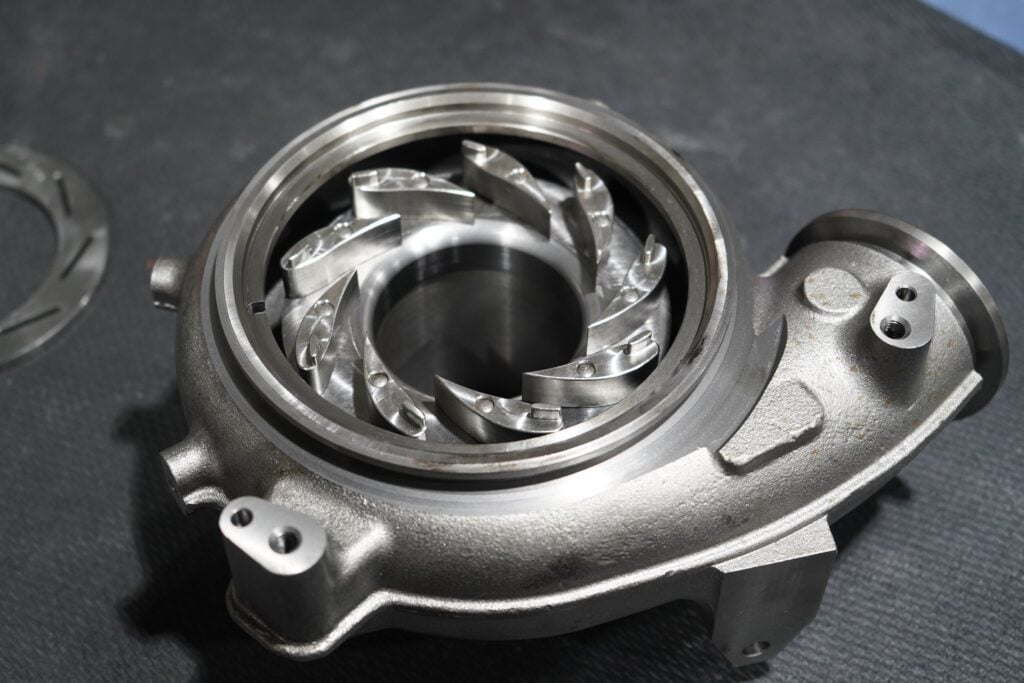
2. Variable Geometry Turbo (VGT)
Adjusts turbine geometry statically; excellent across rpm range.
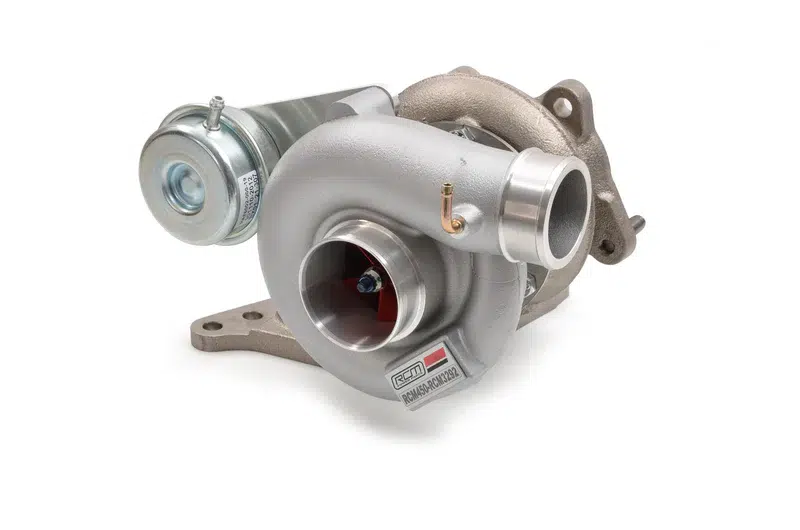
3. Twin-scroll
Improved spool up, better low rpm response.
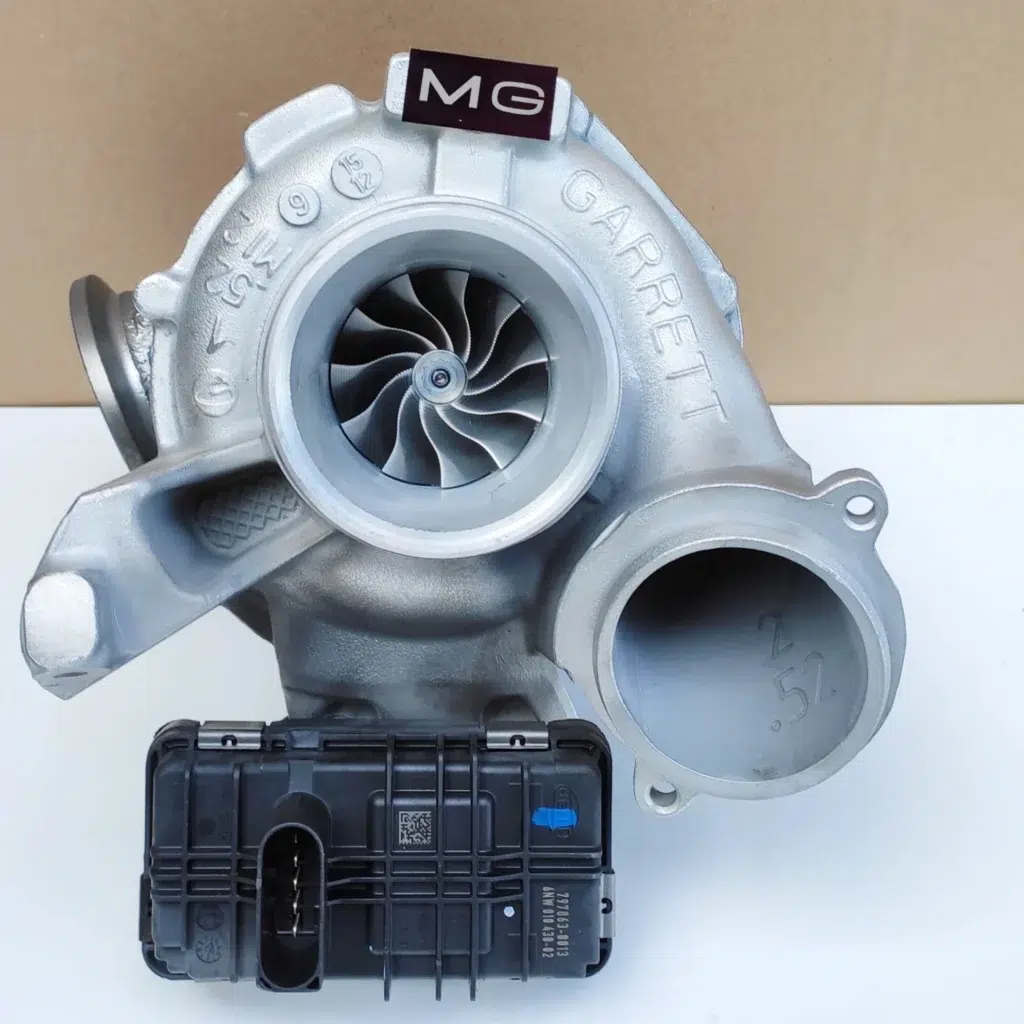
4. Electrically assisted turbos / hybrid systems
Emerging technology to eliminate lag and improve efficiency.
When there is turbo or supercharger present in a car, the stock car is already fast than the cars with Naturally Aspirated (NA) engines and to push it further, people tune their cars in terms like Stage 1 , Stage 2, Stage 3. If you are also interested to know how tuning changes the overall performance of a car, here is the detailed article on Stage 1 vs Stage 2 Tuning.
Real-World Performance and Reliability Considerations
Real driving behaviour
Supercharged cars shine in scenarios demanding instant throttle response: daily urban driving, traffic, quick launches. Turbocharged cars often excel at medium-to-high rpm power, long straights, and efficient performance under load.
Reliability and maintenance
- Turbos demand proper oil supply, cooling, and avoidance of heat soak. If neglected, turbine bearing failure or shaft wear can occur.
- Superchargers demand good belt/gear service intervals, manage intake heat (since they sit atop the engine) and avoid excessive parasitic loss that may stress components.
- Both need tuned fuel maps, upgraded intercooler, and integrity of installation to avoid detonation, boost surge, or compressor stall.
I own a Indian Spec Skoda Rapid 1.0 TSI that comes with 3 cylinder engine and a turbo which makes the huge difference, the car is currently Stage 1 remapped from Quantum. Here is the detailed review of 1.0 TSI Skoda Rapid Stage 1 so that you can understand the power figures and potential after Stage 1 remap.
Availability in India vs Other Countries & Used-Market Reality
Market reality in India
In India, most manufacturers prefer turbos for affordability, but abroad, enthusiasts still debate the difference between a turbo and a supercharger when upgrading engines. Turbocharged engines are far more common in India than factory supercharged units. With strict fuel economy and emissions regulations, manufacturers favour turbos for mid-range and even premium models. Superchargers remain a niche, mostly confined to high-end luxury imports or performance variants. This means aftermarket support, service options and used availability for turbo-equipped vehicles are stronger.
Used-market and aftermarket implications
If you’re shopping used or considering forced induction upgrades in India, the stronger ecosystem supports turbocharged cars: more kit options, more parts, more tuners comfortable with turbos. Supercharged setups are rarer, more expensive to maintain, and parts/upgrade paths may be sparser. In contrast, in the US/Europe used cars with either system are abundant, so choice is broader.
Examples of cars
Supercharged cars (India/global luxury):
- Audi S5 / S6 (3.0L supercharged V6)
- Jaguar F-Type 5.0L supercharged V8
- Range Rover Sport SVR 5.0L supercharged
- Volvo XC90 T8 twincharged (both supercharger + turbo)
Turbocharged cars (India + global):
- Volkswagen Polo GT TSI (India)
- Tata Altroz iTurbo (India)
- Hyundai i20 N (India)
- Many modern performance vehicles globally now use turbocharging as default
These examples highlight how turbos dominate the everyday performance space, while superchargers remain specialised.
Approximate Prices for Superchargers & Turbochargers (India & Global Market)
When comparing performance upgrades, understanding the difference between a supercharger and a turbocharger can help buyers decide whether the higher cost of superchargers is worth it.
Supercharger Kit Costs
In the Indian aftermarket, supercharger kits (belt-driven blower systems) are relatively rare and expensive.
For instance, a generic Roots/Centrifugal supercharger kit listed on an Indian site was priced approx. ₹22,431 for a 1.5L and below engine unit.
On the global market, high-end supercharger system kits for premium models can cost thousands of USD. For example, a supercharger system for an Audi R8 V10 listed from $31,995 USD (~₹26-27 lakhs at current rates) on one specialist vendor.
Used car market indications in India show an example: a supercharger kit on a Maruti Jimny was around approx. ₹ 5 lakh for full installation.
So typical range: India: approximate ~ ₹2-5 lakh (for a full supercharger kit + install on common engine)
Global: ~ US $4,000-$32,000 (₹3.5-27 lakh) depending on vehicle, engine size, brand and inclusions.
Turbocharger Kit / Turbo System Costs
In India, individual turbochargers or cores for standard engines are quite affordable: for example a turbocharger for Maruti Suzuki Swift is approx ~ ₹9,200.
However, a full aftermarket turbo upgrade (including exhaust manifold, wastegate, intercooler and tuning) will cost significantly more (often several lakhs) though exact kit pricing is less publicly published.
Globally, tuning communities report turbo kits with installation and tuning costing US $8,000+ (≈ ₹6.5 lakh+) for serious builds.
So typical range: India: approximate ~ ₹1-3 lakh for basic turbo kits on common engines (usable parts + tuning)
Global: ~ US $5,000-10,000+ (₹4-8+ lakh) depending on performance level
There are a lot of engines that are custom built like the 2JZ by Toyota, the supreme in the culture which uses different types of superchargers and turbochargers.
Which System Should You Choose?
For daily use, urban driving and predictable response
A supercharger delivers excellent throttle feel and immediate response. If you value linear, no-lag power and don’t mind slightly lower efficiency, it is a strong choice.
For efficiency, scalability and headroom for tuning
A turbocharger offers better efficiency, higher potential for aftermarket upgrades, and more flexibility for tuning. Especially if you want to grow power later, the turbo route often offers more value.
Consider your goals and environment
- If you drive mostly city roads, stop-start traffic, want instant throttle feel: supercharger might suit.
- If you drive highways, want scalable power, seek efficiency, or live in a market with strong turbo support (parts/tuners): turbocharger is more practical.
- Central to any forced induction approach: ensure cooling, intercooling, fuel quality, proper tuning, and realistic power goals.
TheCarLane Take
Supercharger vs turbocharger discussions often reduce to “instant vs efficient,” but the reality is richer. The difference comes down to how they’re driven (mechanical vs exhaust), how they behave in real driving, what support exists in your market, and how they fit your goals. In India and many other markets, turbochargers dominate due to support, efficiency and availability. Superchargers retain strong appeal for pure performance and throttle feel.
Ultimately, the difference between a supercharger and a turbo comes down to how you want your power delivered — instant torque or gradual boost.
FAQ
A turbocharger is generally more efficient and delivers higher power at the top end, while a supercharger provides instant boost and linear acceleration. Turbos suit modern engines and daily use; superchargers are ideal for performance cars needing quick throttle response.
Very few. Most Indian cars use turbochargers due to better cost, efficiency, and emissions compliance. Superchargers are mostly found in luxury and imported cars like the Jaguar F-Type or Audi S5.
Turbo kits in India usually cost around ₹1–3 lakh, while supercharger kits range between ₹3–6 lakh including installation. Globally, prices vary from US $5,000 to $30,000 depending on brand and setup.
Turbochargers offer better mileage since they use exhaust gases to create boost. Superchargers take power from the engine, slightly reducing efficiency but offering better low-end response.
Both need proper care. Turbos require clean oil and cooldown periods; superchargers rely on belt and bearing health. With regular servicing, both can last the life of the engine.
Turbocharged cars are easy to find — most modern petrol and diesel vehicles have them. Supercharged models are rare and usually limited to premium or imported cars, though a few aftermarket kits exist.

Founder of TheCarLane | Automotive Enthusiast
Ayush focuses on engines, tuning, diagnostics, and real-world driving knowledge to bring accurate, easy-to-understand car content to readers.