
If you’re wondering what color is the oil under my car, you’re not alone. Seeing a puddle beneath your vehicle often leads to confusion, especially when different fluids can look similar once they hit the ground. The age of the engine oil, the surface it lands on, and the weather outside can all change how it looks. When they drip onto pavement, other car fluids can also look the same.
The goal is not just to name the fluid, but also to figure out what’s going on and if you need to do something right away.
What Color Is The Oil Under My Car, and What Does Each Color Mean?
Engine oil under a car is most commonly amber, dark brown, or black, depending on how long it has been in use. Light amber oil usually means the oil is fresh or recently changed and is often seen after maintenance. Dark brown oil is very common and typically indicates used engine oil, not a serious problem by itself. Black oil usually means the oil is old or heavily used and does not automatically signal damage.
Oil that looks milky or cloudy when checked on the dipstick is not normal and can indicate coolant mixing with oil, which needs immediate attention. It’s also important to remember that not every dark puddle is engine oil—some other fluids can darken with age and look similar on the ground. That’s why color should always be confirmed with how the fluid feels, where it appears under the car, and the engine’s oil level.
What Engine Oil Usually Looks Like When It Leaks Onto The Ground
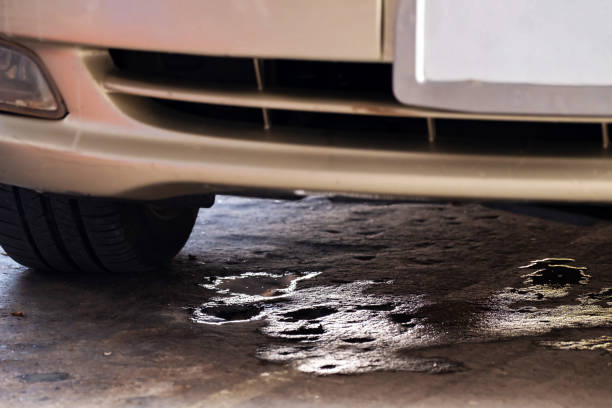
The color of engine oil on the ground is usually somewhere between light amber and very dark brown or black. New oil is usually lighter and clearer. Used oil, on the other hand, gets darker as it moves through the engine and picks up heat and dirt. Just because the oil looks almost black doesn’t mean something is wrong. It usually just means the oil has been in use for a while.
When oil is on asphalt or rough concrete, it almost always looks darker than it really is. That’s why even a small leak can look big at first. Oil also tends to spread slowly and leave a stain that lasts, instead of drying up or going away.
If the fluid looks like fresh engine oil and you recently had maintenance done, it may be related to the service. We’ve explained what to check in our guide on oil leak after oil change.
Why a Brown or Dark Puddle Isn’t Always Engine Oil
When people ask what color is the oil under my car, they’re usually trying to confirm whether a dark or brown puddle really means an engine oil leak.
Engine oil is usually brown or black, but it’s not the only fluid that can look like that when it hits the ground. For example, transmission fluid and power steering fluid may start out red or pink, but they usually get darker as they get older. They can look a lot like oil when they mix with road dust or soak into pavement.
Because of this, it’s important to think of color as a sign, not the last word. One of the main reasons people misidentify leaks and worry about the wrong problem is that they only look at color.
How Oil Behaves Compared To Other Common Car Fluids
Engine oil has a very specific feel and behavior that helps distinguish it from other leaks. It is thick, slippery, and slow to evaporate. When touched carefully with a paper towel or cloth, it stays slick and leaves an oily residue. It also has a petroleum or mechanical smell that many people recognize once they notice it.
Water from air conditioning condensation behaves very differently. It isn’t slick, leaves no stain, and evaporates quickly. Coolant often feels slippery too, but it is thinner than oil and typically has a slightly sweet smell. Fuel leaks spread quickly, evaporate fast, and produce a sharp, unmistakable odor — something that should always be treated as urgent.
Why The Position Of The Puddle Under Your Car Matters
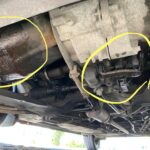
Where the fluid appears under the vehicle can quietly tell you a lot. Engine oil leaks most often show up toward the front or front-center of the car when it is parked. This is because oil drains downward from common leak points such as the oil pan area, drain plug, oil filter housing, or valve cover edges.
Leaks that consistently appear farther back under the car are less likely to involve engine oil and may point toward transmission or drivetrain components instead. While fluids can travel along covers before dripping, location is still one of the most useful supporting clues.
Many oil leaks only become visible after the car has been parked for a while, which is why some drivers notice fluid on the ground even though nothing seems wrong while driving. If this sounds familiar, you may want to read more about car leaking when parked to understand why this happens and what it usually means
The Oil Level Check That Removes Most Of The Guesswork
If you want a clear answer to whether the puddle under your car is engine oil, checking the engine oil level is the most reliable step. When engine oil leaks, the oil level inside the engine drops over time. A normal reading usually means the leak is slow or minor. A noticeably low level confirms an active oil leak that needs attention sooner rather than later.
This check also helps prevent misidentification. If the engine oil level remains stable while the puddle continues to grow, the fluid may not be engine oil at all. Many people skip this step and end up guessing when the engine itself is already giving them the answer.
How To Check Your Engine Oil Safely (even if you’ve never done it before)
Don’t worry if you’ve never checked your engine oil before. It’s one of the easiest things to do and doesn’t need any tools. Check that the car is parked on level ground and that the engine is off. After you turn off the engine, wait a few minutes for the oil to settle.
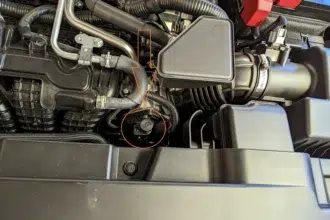
Open the hood and look for a thin metal or plastic handle. It will usually have a bright color or an oil symbol on it. This is the dipstick for oil. Take it out all the way, wipe it down with a tissue or cloth, and then put it back in all the way. When you pull it out again, you will see oil on the end of the stick.
Most dipsticks have two lines on them that show the safe oil range. The level is usually safe if the oil level is between those two marks. The leak is more important if the oil level is close to or below the lower mark. If there isn’t much oil on the stick, you shouldn’t drive the car until the problem is fixed.
Don’t worry if the oil on the dipstick looks dark. Dark oil is normal and doesn’t always mean something is wrong. Not just how it looks, but how much oil is there is the most important thing.
Common Situations That Make Oil Leaks Look Confusing
People don’t always know how oil leaks will act. Some only show up when you’re driving and then go away after you’ve parked for a while. Heat and pressure can make small leaks easier to see, and oil may keep dripping for a short time as it drains back down.
It’s also common for leaks to happen right after an oil change. Oil can drip onto the ground if the drain plug is a little loose or the oil filter seal doesn’t fit perfectly. These leaks may look bad, but they’re usually easy to fix if you catch them early. Cold weather can also make seals less flexible for a short time, which makes small leaks easier to see.
When Oil Appearance Becomes a Serious Warning Sign
Dark oil on the ground is normal. Milky or cloudy oil inside the engine is not. If the oil on the dipstick looks milky, it can indicate coolant mixing with engine oil, which requires immediate attention. This is very different from oil simply being dark due to age and should not be ignored.
Is It Safe To Keep Driving If Oil Is Leaking?
Most oil leaks begin slowly, and not all of them require immediate stopping. A small drip combined with a normal oil level and no warning lights is usually not an emergency, though it should still be monitored and repaired. The risk increases quickly when oil levels drop, warning lights appear, or there is a burning oil smell or smoke.
Engines rarely fail just because a leak exists. They fail when they’re driven with too little oil to protect internal components. That’s why understanding what the leak is doing to your oil level matters more than the size of the puddle alone.
TheCarLane Takeaway
Understanding what color is the oil under your car is helpful, but combining color with texture, location, and oil level gives you a far clearer answer than color alone.
Most of the time, engine oil under your car is amber to dark brown or black, thick to touch, and takes a long time to evaporate. But the best way to figure out what’s going on is to look at the color, feel, location, and engine oil level all at once. When those pieces fit together, the situation usually becomes clearer and less stressful. This lets you calmly decide whether you need to act right away or just plan a repair.
Last Updated: February 2026
FAQs
Engine oil is typically amber or light brown when fresh and turns dark brown or black as it ages. It feels slippery and leaves a slick stain on concrete.
Oil usually forms a dark, glossy puddle with smooth edges. On lighter surfaces, it may appear brown to black and slightly shiny compared to water or coolant.
Check the color, thickness, and smell. Engine oil is brown or black and slippery. Transmission fluid is red or pink. Coolant is often green, orange, or pink. Clear water dripping is usually air conditioner condensation.
Sometimes oil from a previous spill drips slowly from engine components. Residue can collect on splash shields and fall later. If oil spots continue forming daily, the leak is active.
Leaks from the front area may involve the oil filter, drain plug, timing cover, or front crankshaft seal. The exact source depends on where the oil first appears.

Founder of TheCarLane | Automotive Enthusiast
Ayush shares practical automotive knowledge based on real-world ownership and hands-on experience. His work focuses on diagnostics, engine systems, common car problems, and clear explanations that help everyday drivers understand their vehicles better.