


Most people come across car tuning stages through a forum thread or a conversation with someone who’s already been through it. The terms get thrown around casually — Stage 1, Stage 2, Stage 3 — but what actually changes between them is more significant than the numbering suggests. This isn’t just about more power at each step. Each car tuning stage represents a fundamentally different relationship with your car, your maintenance routine, and your wallet.
I’ve run a Stage 1 remap on my Skoda Rapid 1.0 TSI and documented that experience in detail. That perspective shapes how this article is written — not from a tuning shop trying to sell you the next stage, but from someone who’s lived with one of these stages daily and understands what the decision actually involves.
One thing worth establishing before going further — tuning stages are not an industry standard. Different tuners, different platforms, and different markets use these terms slightly differently. What one tuner calls Stage 2 another might call Stage 1+. The definitions below reflect the most widely understood interpretation across the mainstream tuning community, not a universal specification.
What the Stages Actually Represent
Tuning stages describe how far a car’s engine calibration and supporting hardware have moved from the factory setup. Stage 1 stays entirely within the software — no hardware changes, just ECU optimisation. Moving to Stage 2 means combining that software work with hardware modifications that allow the engine to operate safely at higher output. Stage 3 then goes further into major hardware territory — bigger turbochargers, upgraded fuelling systems, and sometimes internal engine work.
The progression isn’t just about power numbers. Each stage changes the car’s maintenance requirements, fuel demands, reliability profile, and day-to-day character. Understanding what changes at each level matters more than knowing the peak horsepower figure.
Stage 1 — Software Only, Stock Hardware
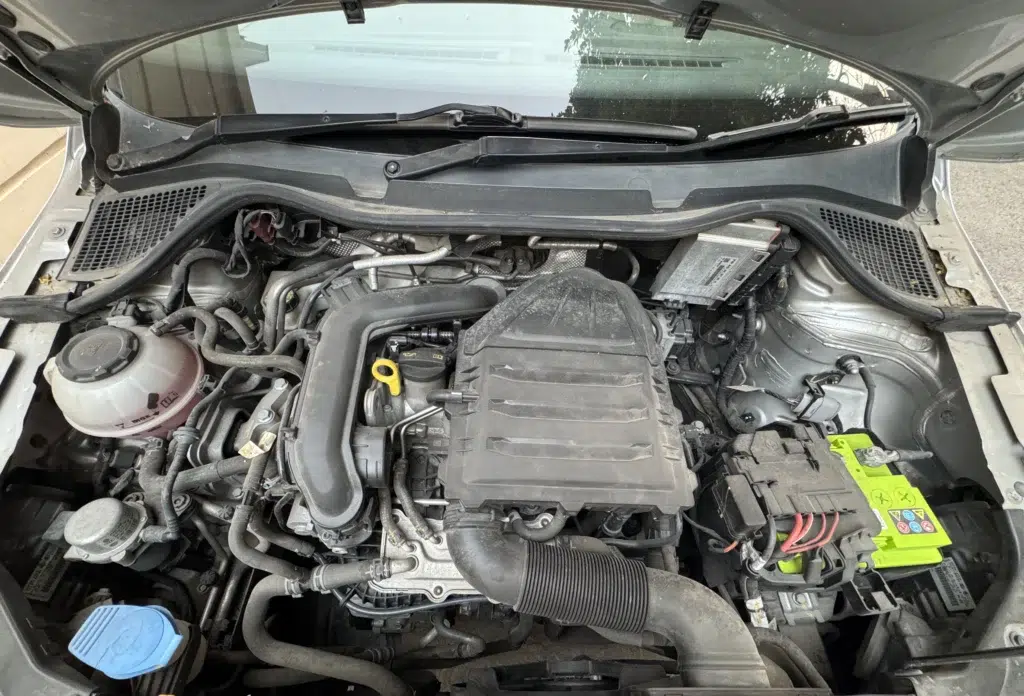
Stage 1 remaps the ECU to optimise parameters the manufacturer set conservatively for global reliability — boost pressure, ignition timing, fuelling, and throttle response. The hardware underneath stays completely stock.
Manufacturers build performance margins into their engines to handle different fuel quality standards, climate conditions, and emissions regulations across global markets. Stage 1 taps into that margin on a car that’s already healthy, running good fuel, and maintained properly.
On the 1.0 TSI the gains are approximately 20–25 horsepower and 35–40 Nm. Not dramatic on paper but immediately noticeable in real driving — stronger mid-range pull, more relaxed motorway cruising, and a throttle that responds more directly. The car doesn’t feel faster in a way that makes you nervous. It feels more complete.
The remap is reversible, the hardware is unchanged, and the daily reliability stays intact. For most owners this is where the tuning journey both starts and ends — and for a daily driver that needs to be dependable over years of ownership, that’s a perfectly reasonable outcome.
Stage 2 — Hardware Upgrades Plus Aggressive Remap
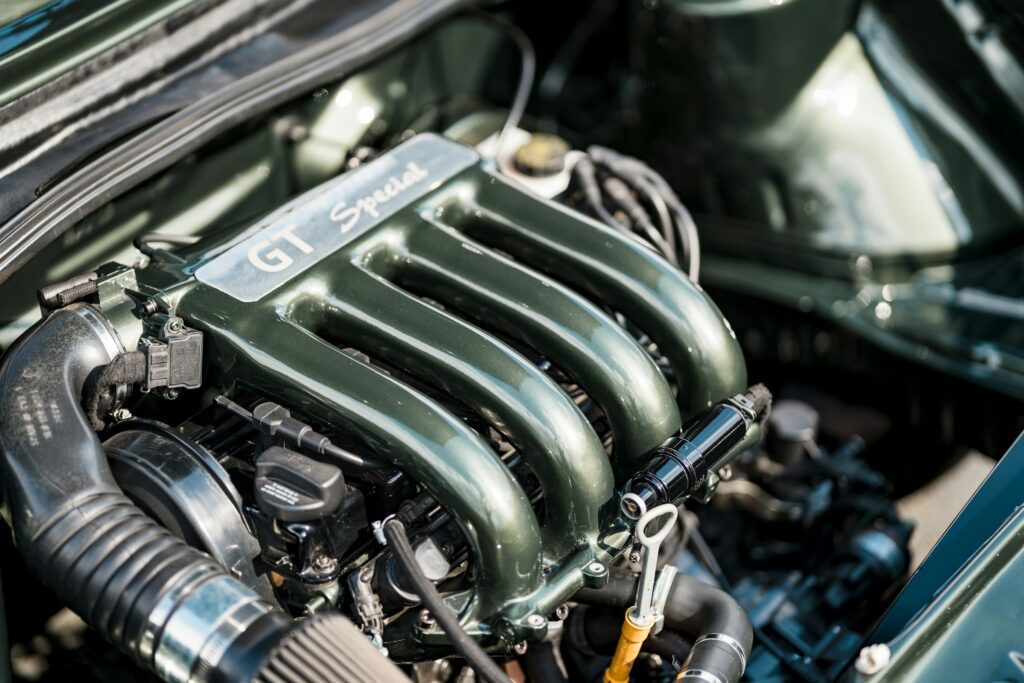
Stage 2 changes the hardware before pushing the software further. The engine needs to breathe better, cool compressed air more effectively, and flow exhaust gases more freely before the ECU can safely run more aggressive boost and fuelling.
The typical package includes a performance intake, high-flow downpipe, and an upgraded intercooler. The exact combination depends on the platform — a good tuner specifies only what the engine genuinely benefits from.
On a 1.0 TSI the result is approximately 40–45 additional horsepower and 70–80 Nm over stock. The character change is more significant than the numbers — boost builds earlier, the power band widens, and the exhaust deepens under acceleration.
Premium fuel becomes non-negotiable. Service intervals tighten. The tune isn’t cleanly reversible. Warranty considerations become serious. Stage 2 is a different ownership proposition than Stage 1 — not just a more powerful version of the same thing. The honest question before committing is whether your driving actually demands what Stage 2 provides.
Stage 3 — Major Hardware, Track-Oriented
Stage 3 replaces the factory turbocharger with a larger unit, upgrades the fuelling system with higher-flow injectors and a performance fuel pump, fits a stronger clutch, and builds a fully custom ECU calibration around the new hardware. No two Stage 3 builds are identical.
Power gains vary enormously depending on the turbocharger chosen and the engine platform. On a 2.0 TSI or similar, 300–400 horsepower is achievable. On a 1.0 TSI the platform’s physical constraints limit how far Stage 3 can realistically go.
Daily reliability becomes unpredictable. Maintenance demands increase significantly. Fuel requirements become strict. Warranty is fully void. Stage 3 makes sense for a dedicated track car or weekend build — not for a car that needs to start reliably every morning and cover 15,000 kilometres a year without drama.
Stage 1 vs Stage 2 vs Stage 3 Tuning: The Complete Comparison Table
Ultimately, the choice between Stage 1 vs Stage 2 vs Stage 3 Tuning comes down to your needs and expectations from your vehicle.
| Stage 1 | Stage 2 | Stage 3 | |
|---|---|---|---|
| Hardware changes | None | Intake, downpipe, intercooler | Turbo, fuelling, clutch, cooling |
| ECU remap | Conservative | Aggressive, custom | Fully custom |
| Power gain | 10–25% | 25–45% | 50–150%+ |
| Fuel requirement | Premium recommended | Premium required | High octane / race fuel |
| Reversible | Yes | Partially | No |
| Daily drivability | Excellent | Good with maintenance | Not recommended |
| Warranty impact | Low if reverted | High | Complete |
| India cost | ₹15k–₹40k | ₹80k–₹1.5L | ₹2.5L–₹6L+ |
| UK cost | £250–£600 | £800–£2,500 | £3,000–£8,000+ |
Real Numbers — 1.0 TSI Across All Three Stages
Based on my own Stage 1 experience and typical documented outcomes for this platform:
| Setup | Power | Torque | Character |
|---|---|---|---|
| Stock | 110 hp | 175 Nm | Smooth, linear |
| Stage 1 | ~130 hp | ~210 Nm | Stronger mid-range, more relaxed |
| Stage 2 | ~150 hp | ~240 Nm | Earlier boost, wider power band |
| Stage 3 | ~170–200 hp | ~260–300 Nm | Track-focused, high maintenance |
These are representative figures, not guarantees. Actual results depend on the tuner, fuel quality, engine condition, and supporting hardware. Always verify expectations with your specific tuner for your specific car.
What the OBD2 Data Actually Shows
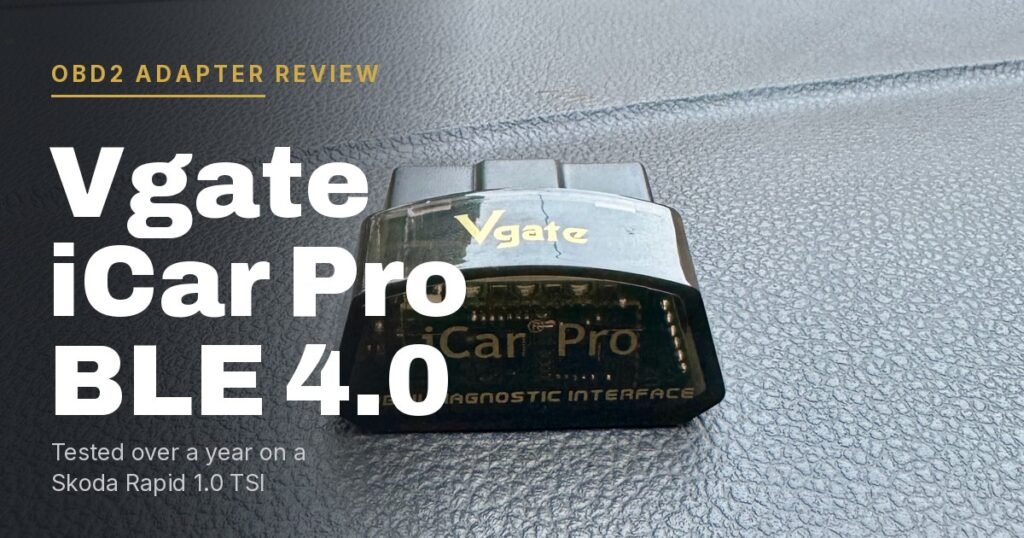
Logged using a Vgate iCar Pro BLE adapter and Car Scanner ELM OBD2 app on a Stage 1 remapped Skoda Rapid 1.0 TSI — second gear full throttle pull.
The most important number to watch is MAP. At 1294 RPM, just before full throttle, the turbo is already at 20 psi. By 2793 RPM mid-pull it has climbed to 30.6 psi — that aggressive early boost build is the Stage 1 remap’s fingerprint. The stock map holds boost back at low RPM deliberately. The remap removes that conservatism, which is exactly why the mid-range feels so different in real driving.
By 4677 RPM the MAP settles back to 25 psi. This is the 1.0 TSI’s small turbo reaching the edge of its flow capacity — a physical ceiling no software can move. This is precisely why Stage 2 requires hardware changes before pushing further. The turbo simply cannot flow more air regardless of what the ECU asks for.
Intake air temperature held flat at 36°C across the entire pull — no heat soak, no thermal protection cuts. The stock intercooler handles Stage 1 comfortably. At Stage 2, sustained higher boost generates more heat than it can reliably manage, which is why an upgraded intercooler is part of any proper Stage 2 package, not an optional extra.
The fuel/air ratio held steady at 14.63 throughout — slightly rich under boost, which is exactly where a safe tune should sit. Consistency matters more than the number itself. A remap that lets fuelling wander under load is one that isn’t properly calibrated. This one doesn’t.
Which Stage Is Right for You
The decision comes down to what you actually use the car for, not what sounds most exciting on paper.
Stage 1 suits a daily driver where reliability and predictability matter as much as performance. It suits someone who wants more engagement from their car without taking on mechanical complexity or increased maintenance responsibility. It’s the starting point for most owners and for many owners it’s also the right finishing point.
Stage 2 suits an enthusiast who drives spiritedly, can commit to premium fuel consistently, and understands that the car now requires more attention than a stock vehicle. It suits someone for whom the driving experience is a priority and the additional cost and maintenance are acceptable trade-offs for what Stage 2 delivers.
Stage 3 suits a dedicated performance build — a car that exists primarily to go fast on a track or at events rather than serve as everyday transport. It doesn’t suit a primary vehicle, a financed car, or anyone who isn’t prepared for the financial and mechanical demands that come with the territory.
Starting at Stage 1 and genuinely living with it before deciding whether Stage 2 makes sense is the most practical approach for most owners. The upgrade path exists and it’s always available. There’s no advantage in rushing to a higher stage before you understand what the current one actually delivers in your real driving conditions.
Last Updated: April 2026
FAQs
Yes — if the required hardware is already in place and a reputable tuner builds the setup correctly. However most tuners recommend establishing a Stage 1 baseline first because it reveals how the engine responds to tuning before committing to more aggressive modifications.
Not necessarily — a Stage 1 remap that can be reverted to factory calibration is difficult for manufacturers to detect. However warranty policies vary by manufacturer and market. If warranty coverage is critical, check with your specific manufacturer before tuning.
Yes. Once the engine is calibrated to run higher boost on premium fuel, using lower octane fuel risks knock and potential damage. Premium fuel becomes a permanent requirement, not an optional upgrade.
Yes — particularly in mid-range torque delivery and throttle response. The difference is most obvious in overtaking situations and motorway driving where the engine no longer needs to work as hard to maintain speed.
A reputable Stage 1 remap from a known tuner typically costs ₹25,000–₹40,000 for most mainstream turbocharged petrol engines. Lower-cost options exist but the quality of the tune and the tuner’s support matter significantly more than the price difference.
A conservative Stage 1 tune on a healthy, well-maintained engine does not dramatically shorten engine life. The bigger factors are driving habits, maintenance quality, and fuel consistency — all of which matter with or without a tune.
Pingback: ECU Remapping Explained: How It Unlocks Hidden Power in Your Car - TheCarLane