
If your engine has developed a rough idle, hesitation, or a stubborn check engine light, the EGR system deserves attention before you start replacing parts. When diagnosing issues tied to EGR Valve Cleaning, the real question is not just how to remove soot, but whether carbon buildup is actually the fault and whether cleaning can restore correct exhaust gas recirculation.
What the EGR Valve Does and Why It Gets Dirty
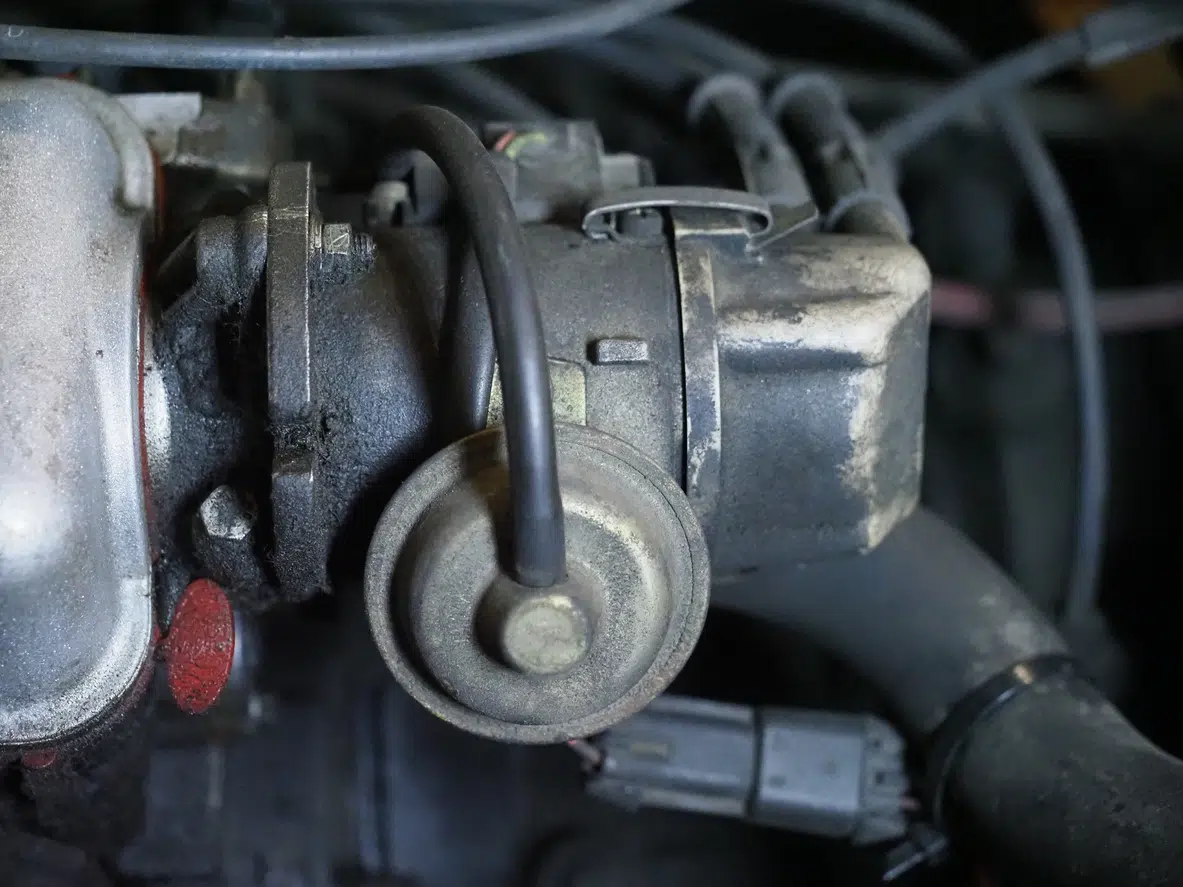
The EGR valve routes a measured amount of exhaust gas back into the intake manifold to lower combustion temperature and reduce NOx emissions. That matters because exhaust gas recirculation is an emissions strategy that also affects drivability, so even a small flow error can create symptoms you feel immediately.
Carbon buildup forms when soot, oil vapor, and heat leave deposits on the valve and in the EGR passages, especially with short-trip driving, diesel engine use, and engines that already have intake soot issues. A dirty EGR valve can stick open or closed, and that distinction matters because one failure mode hurts idle quality while the other mainly harms emissions control and can trigger trouble codes.
How Carbon Buildup Affects Performance
A stuck-open valve can dilute the intake charge too much at idle or low speed, which often causes rough idle, stalling, hesitation, and poor acceleration. A stuck-closed valve keeps combustion temperature higher than intended, which raises NOx emissions and often leads the powertrain control module to log OBD-II faults for insufficient EGR flow.
Signs Your EGR Valve May Need Cleaning
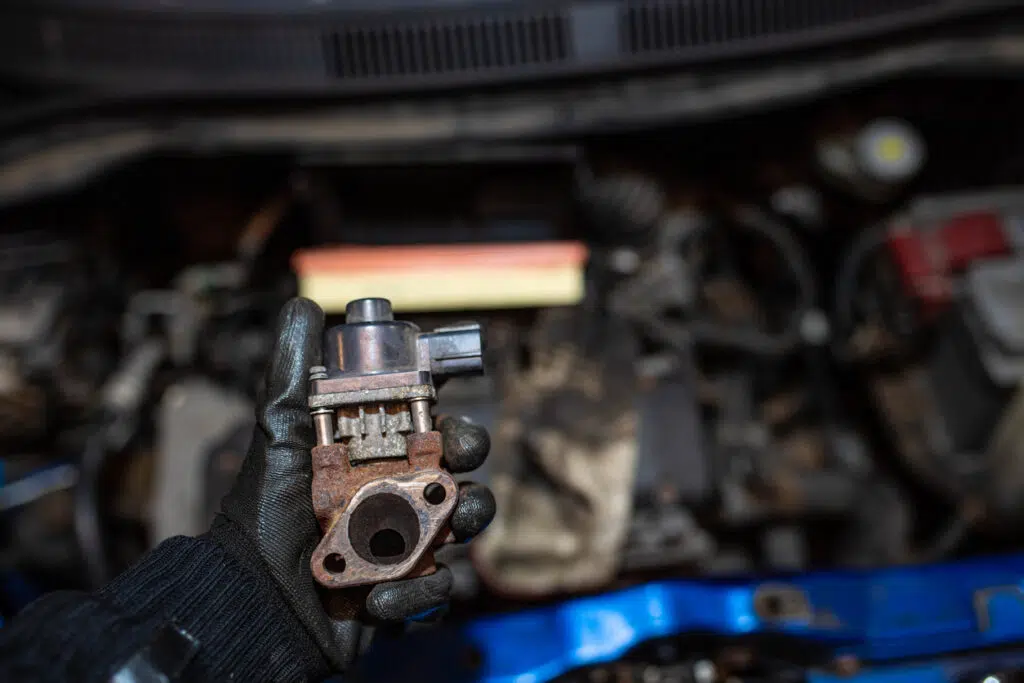
Common symptoms include rough idle, poor acceleration, reduced fuel economy, engine knocking under load, and an illuminated check engine light. Those signs point toward an airflow or combustion problem, but they do not confirm the EGR valve by themselves because an intake leak, a faulty mass air flow sensor, or ignition issues can look similar.
Carbon buildup from EGR system issues can also trigger the P2015 swirl flap fault on VAG 2.0 TDI engines, as accumulated carbon prevents the intake manifold swirl flaps from moving freely.
A diagnostic scan tool often reveals OBD-II trouble codes such as P0401, P0402, P0403, or position-related faults on newer systems. On VAG vehicles specifically, you may also see manufacturer-specific codes including 16496 (EGR system fault), 16804 (EGR flow insufficient), and 17965 (charge pressure control deviation) — these are what owners using VCDS or Car Scanner typically encounter. The important point is that codes identify the circuit or flow problem area, not automatically a bad valve, which is why the right approach starts with evidence before parts.
Symptoms That Point More Toward Replacement
Cleaning rarely fixes electrical failure, a failed position sensor, or a torn diaphragm in a vacuum-operated valve. Heavy corrosion, a seized actuator, or an electronic EGR valve that does not respond to commands usually makes replacement the smarter repair.
Before You Start: Tools, Materials, and Safety
Basic tools usually include sockets, a ratchet, screwdrivers, pliers, a gasket scraper, and ideally a torque wrench for reassembly. Materials should include EGR valve cleaner or carburetor cleaner, penetrating oil, gloves, eye protection, shop towels, and a new gasket, because reusing old seals is a common source of repeat leaks. In the UK, Euro Car Parts and GSF Car Parts both stock VAG-compatible EGR gaskets and cleaning products at reasonable prices.
Work only on a cool engine, and disconnect the battery when the service manual recommends it, especially around the electrical harness. The service manual matters more than generic advice because EGR valve location, bolt torque, and relearn procedures vary widely by manufacturer and engine code.
What to Check Before Removing the Valve
Inspect every vacuum line, nearby hose, and connector before unbolting anything, because cracked rubber or a loose fitting can mimic EGR faults. Also confirm whether you have a vacuum-operated valve or an electronic EGR valve, since testing methods and cleaning precautions differ.
How to Clean an EGR Valve Step by Step
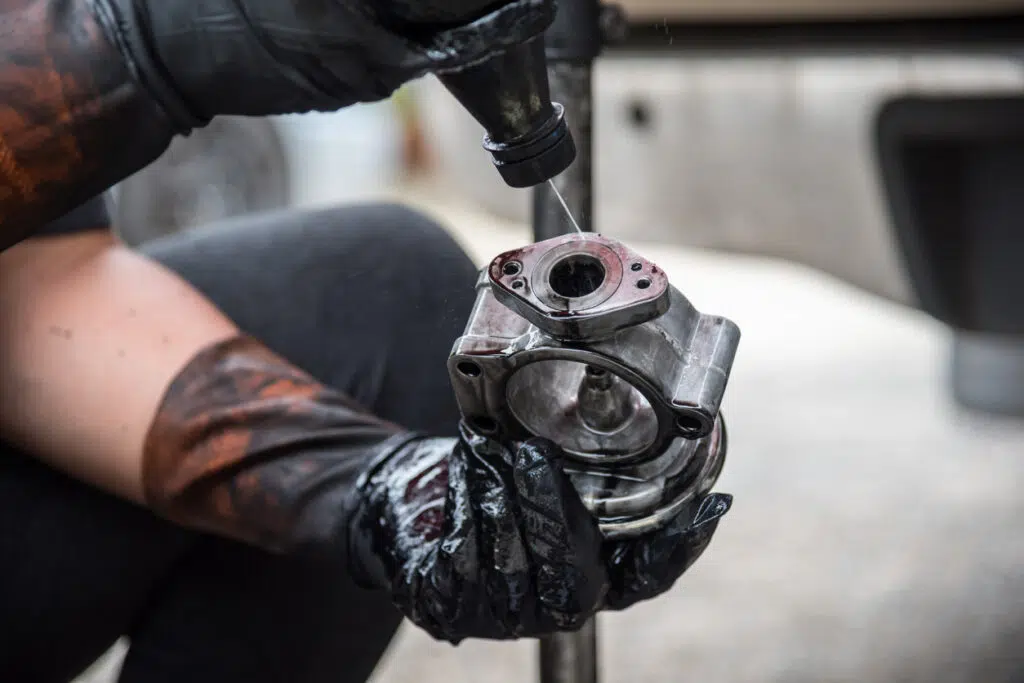
Locate the valve, remove any covers, disconnect the vacuum line or electrical harness, and loosen the mounting bolts carefully if they are carbon-stuck or corroded. Once removed, inspect the valve body, pintle, gasket surface, and visible EGR passages for soot, because a blocked passage can produce the same symptoms as a bad valve.
Spray approved cleaner onto deposits, let it soak, and use a soft brush or pipe cleaner to remove carbon without gouging the seat or sealing areas. Do not soak electrical components or scrape aggressively, then reinstall with a new gasket, reconnect everything, clear codes if needed, and verify throttle response after startup.
Cleaning the Valve Body and Pintle
Focus on the pintle and seat because that is where sticking usually starts and where airflow control is most sensitive. Letting the EGR valve cleaner work first reduces the force needed, which lowers the risk of damaging the mechanism.
Cleaning the EGR Passages
Check the intake-side passage carefully, because blockage there can falsely suggest the valve itself has failed. Try to catch loosened carbon before it falls deeper into the intake manifold, since debris migration can create a second problem after the first repair.
EGR Valve Cleaning for VW, Skoda, Audi, and SEAT
EGR valve problems are among the most common faults on VAG diesel engines — particularly the 1.6 TDI and 2.0 TDI units fitted to the VW Golf, Skoda Octavia, Audi A3, and SEAT Leon. These engines use high EGR flow rates which accelerates carbon deposit formation, especially on vehicles used primarily for short urban journeys. The cleaning basics are the same across the VAG group, but access points, fasteners, and electronics vary by engine code, so confirm your specific engine before ordering gaskets or removing parts.
Common VAG EGR Designs and Where to Look
Many VAG petrol engines use an electronic EGR valve integrated near the intake side, while most VAG diesel engines use an EGR valve and cooler assembly with multiple EGR passages that clog heavily with soot. On TDI engines, carbon buildup in the intake manifold and EGR passages is often as significant as the valve itself, particularly on cars with predominantly short-trip driving history.
Tools and Supplies That Matter on VAG Cars
In addition to basic hand tools, plan for:
- A diagnostic scan tool — VCDS, ODIS, or a capable OBD2 app paired with a Bluetooth adapter — to read fault codes and verify commanded EGR operation. See our guide to the [best OBD2 app for VAG cars] for recommendations tested on real VAG engines.
- New gaskets or seals for the EGR valve and any removed pipe connections
- EGR valve cleaner such as Wynns EGR Valve Cleaner or Forte EGR & Intake Cleaner, plus a soft nylon brush and shop towels
- Extra care around the electrical harness and connectors, since most modern VAG engines use an electronic EGR valve with a position sensor
VAG-Specific Cleaning Steps
- Scan first — pull fault codes including P0401, P0402, P0403 and VAG-specific codes such as 16496 and 16804, then note freeze-frame data. If the code points to an electrical circuit or position sensor fault, cleaning is unlikely to help.
- Confirm the type — identify whether your engine uses a vacuum-operated valve (less common on post-2010 VAG) or an electronic EGR valve. Do not spray solvent into the actuator or sensor area on electronic units.
- Remove and inspect — after the engine cools, disconnect the battery if the service manual requires it, unplug the electrical harness, and remove the valve. Inspect the pintle area, gasket surface, and the EGR passages leading into the intake manifold.
- Clean deposits — soak carbon buildup with approved cleaner, then use a soft brush to remove soot without scratching sealing surfaces. If the valve is integrated with a cooler or has complex passages, focus on the restriction points you can access without forcing tools into delicate areas.
- Clean the passages — if the valve looks acceptable but flow codes persist, the restriction may be in the EGR passages or the intake manifold. On VAG TDI diesels with high mileage, intake cleaning may be necessary when soot buildup is severe.
- Reassemble correctly — install a new gasket, torque fasteners to specification, reconnect the vacuum line if equipped or electrical harness, and check carefully for intake leaks before starting.
- Verify with scan data — clear codes, confirm idle quality and throttle response, then monitor EGR command versus actual position using your scan tool. Rescan for pending codes after a complete drive cycle.
Common VAG Pitfalls to Avoid
- Do not assume the valve is the only restriction — clogged EGR passages and intake manifold soot are common root causes on high-mileage TDI engines and addressing only the valve often leads to repeat faults.
- Do not create a vacuum leak — reusing a flattened gasket or mis-seating an O-ring causes rough idle and hesitation that looks identical to an EGR fault.
- Do not ignore related sensors — MAF sensor readings directly influence how the ECU detects EGR flow faults on VAG engines. If data appears inconsistent, diagnose sensor inputs before repeating cleaning.
Can You Clean an EGR Valve Without Removing It
Non-disassembly cleaning with spray products or intake cleaning methods can help with light deposits, but it is less reliable than cleaning the part off the car. That matters because a mechanically stuck pintle, a seized actuator, or severe soot in the EGR passages usually will not respond to a chemical shortcut.
High-load driving is sometimes described as a way to “clean” the system, but hard acceleration is not a substitute for diagnosis. It may burn off some deposits in certain engines, yet it will not repair a failed position sensor, wiring fault, or valve that cannot move correctly.
When Non-Disassembly Cleaning Makes Sense
It makes sense as preventive maintenance when deposits are mild and there are no active fault codes. It makes less sense when the engine has severe rough running, visible heavy carbon, or confirmed flow faults.
Common Mistakes to Avoid
Do not attack the valve seat, sensor area, or gasket surface with metal tools, because damage there creates sealing or control problems that cleaning cannot undo. Do not reuse a damaged gasket, and do not ignore cracked vacuum line connections or dirty passages, since the EGR system only works as well as its weakest link.
Don’t assume every EGR-related code means the valve needs cleaning. A proper check should include wiring inspection, commanded movement verification with a diagnostic scan tool, and review of MAF sensor data, because false diagnosis wastes both money and time.
Diagnosis Errors That Waste Time
Cleaning or replacing the valve without checking passages or wiring often leads to repeat faults within weeks. Misreading an EGR symptom when the real cause is fueling, ignition, or intake restriction is one of the most common and expensive diagnostic errors — data-first troubleshooting avoids this mistake.
When Cleaning Helps and When Replacement Is Better
Cleaning works best when carbon buildup is clearly the main issue and the valve still moves freely after deposits are removed. Replacement is usually the better call when scan data shows failed electronics, an unresponsive actuator, or recurring codes after thorough cleaning and verification.
A practical framework: compare mileage, access difficulty, valve condition, and scan-tool findings before deciding. If labor to remove the unit is high, repeating the job for a marginal valve often costs more than replacing it once.
A Simple Rule of Thumb
If the valve is dirty but mechanically sound, clean it. If it is electrically faulty, physically damaged, or seized, replace it.
What It Costs and How to Prevent Future Buildup
EGR Valve Cleaning — Cost by Country
| Service Type | 🇬🇧 UK (£) | 🇺🇸 US ($) | 🇮🇳 India (₹) |
|---|---|---|---|
| DIY (parts only) | £15 – £30 | $15 – $35 | ₹400 – ₹800 |
| Independent garage | £80 – £200 | $80 – $180 | ₹800 – ₹2,000 |
| Main dealer / authorised | £150 – £350 | $180 – $300 | ₹2,000 – ₹4,000 |
| EGR valve replacement | £250 – £600 | $300 – $600 | ₹5,000 – ₹15,000 |
Prices are approximate estimates for 2025–2026. Labour rates vary by region and engine access difficulty.
Prevention depends on regular servicing with the correct VAG-specification oil, using quality fuel, fully warming the engine on longer runs when possible, and fixing any PCV or intake issues that feed deposits into the EGR system. The straightforward approach: verify the fault with scan data, clean only when evidence supports it, and use post-repair scan data rather than assumptions.
Post-Clean Checks
After cleaning, verify idle quality, throttle response, and whether the check engine light stays off. Complete a short drive cycle and rescan for pending codes, because a repair is only confirmed when the system passes both symptom and data checks.
Last Updated: April 2026
FAQs
Yes, many owners can clean an accessible EGR valve with basic tools and the correct solvent. Follow the service manual closely and avoid damaging sensors, sealing surfaces, or the electrical harness.
Yes, when carbon buildup is the confirmed cause it costs a fraction of replacement and often resolves rough idle, hesitation, and check engine light faults completely. Not worth cleaning if there’s an electrical or sensor failure — that needs replacement.
Common signs are rough idle, hesitation on acceleration, reduced fuel economy, and a check engine light showing P0401 or P0402. On VAG cars the EPC light often appears alongside these codes.
Every 40,000-60,000 miles on VAG TDI engines used mainly for short journeys. Clean sooner if symptoms like rough idle or hesitation appear regardless of mileage.
DIY costs £15-30 in the UK, $15-35 in the US, and ₹400-800 in India. Professional cleaning at an independent specialist costs £80-200 in the UK, $80-180 in the US, and ₹800-2,000 in India.
Yes — an insufficient EGR flow fault can trigger the EPC warning light on VAG engines alongside the check engine light. Cleaning the valve and clearing the codes often resolves both simultaneously.

Founder of TheCarLane | Automotive Enthusiast
Ayush shares practical automotive knowledge based on real-world ownership and hands-on experience. His work focuses on diagnostics, engine systems, common car problems, and clear explanations that help everyday drivers understand their vehicles better.