

The 1.0 TSI EA211 in my Skoda Rapid has done 51,000km, 26,000km stock and 25,000km on a Quantum Red stage 1 remap. One Shimla trip. One set of brake discs. Zero unscheduled repairs.
This is what 51,000km of ownership tells you about the 1.0 TSI that a weekend test drive cannot.
Press cars get returned after three days. Mine didn’t.
Most engine reviews you’ll find cover the spec sheet. They tell you it makes 110hp, that it’s turbocharged, that it has direct injection. None of that helps you decide whether to buy a car with this engine in it. What helps: knowing that the fuel economy swings 4.5 km/l between calibrations, that the engine pulls as cleanly at 51,000 km as it did at 5,000.
Here’s what nobody told me before I got here.
What Makes the 1.0 TSI Special
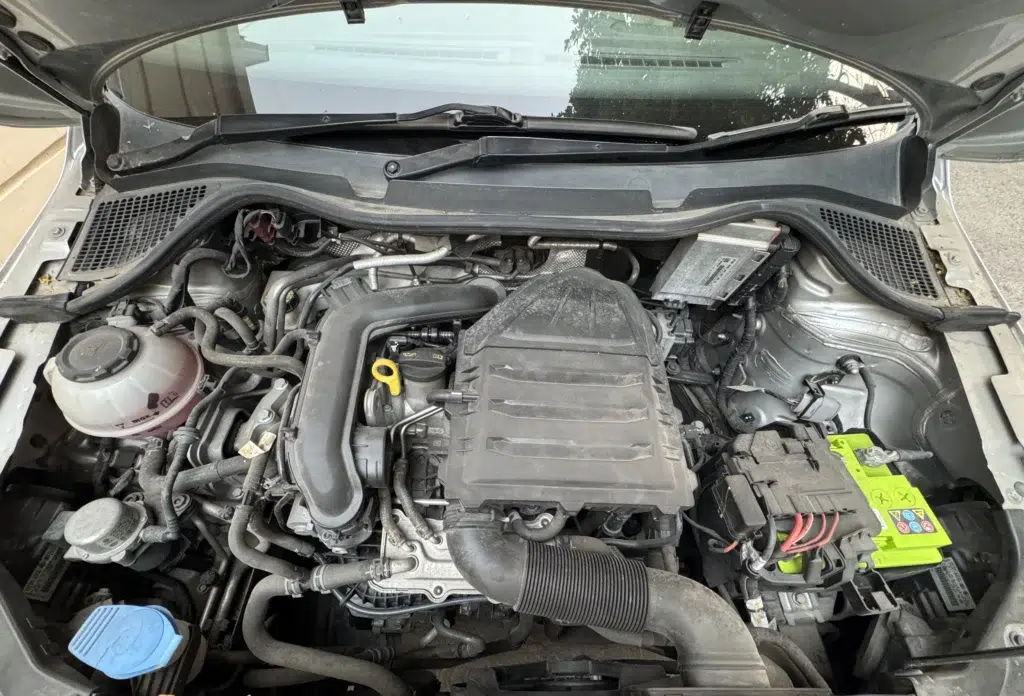
| Specification | Details |
|---|---|
| Engine type | 3-cylinder turbocharged petrol |
| Displacement | 999cc |
| Power output | 110 PS @ 5000–5500 RPM |
| Torque | 175 Nm @ 1750–4000 RPM |
| Transmission | 6-speed manual / 7-speed DSG |
| Fuel economy (claimed) | 18–19 KMPL |
| Turbocharger | Single scroll |
| Fuel system | Direct injection |
The 1.0 TSI shouldn’t work as well as it does. One litre, three cylinders, a displacement that sounds more like a lawnmower than a car engine. But Volkswagen Group built something genuinely clever here, a small displacement block paired with a turbocharger that fundamentally changes what the engine is capable of and more importantly what it can become with the right calibration.
This engine lives in two worlds simultaneously and which world you inhabit is entirely your choice.
1.0 TSI Fuel Economy: Stock vs Stage 1 Remap
These are TheCarLane’s logged figures from the same car on the same roads, 51,000 km on both calibrations.
| Type | City | Highway |
|---|---|---|
| Stock | 13–15 KMPL | 20–22 KMPL |
| Stage 1 Remap | 9–12 KMPL | 17–19 KMPL |
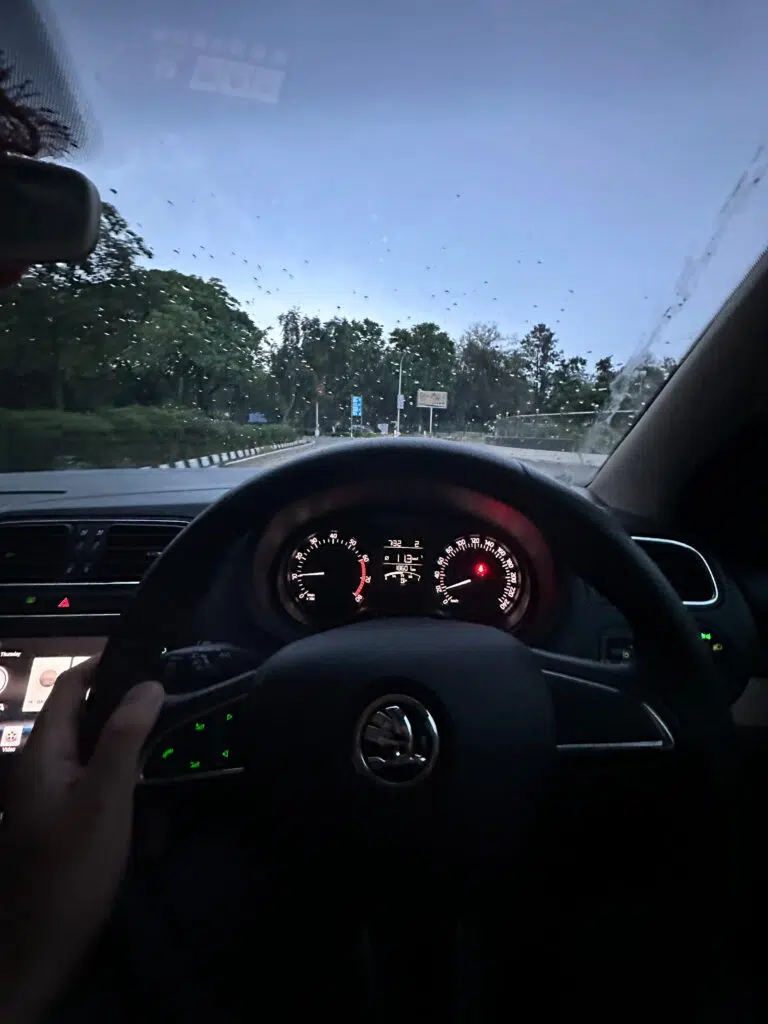
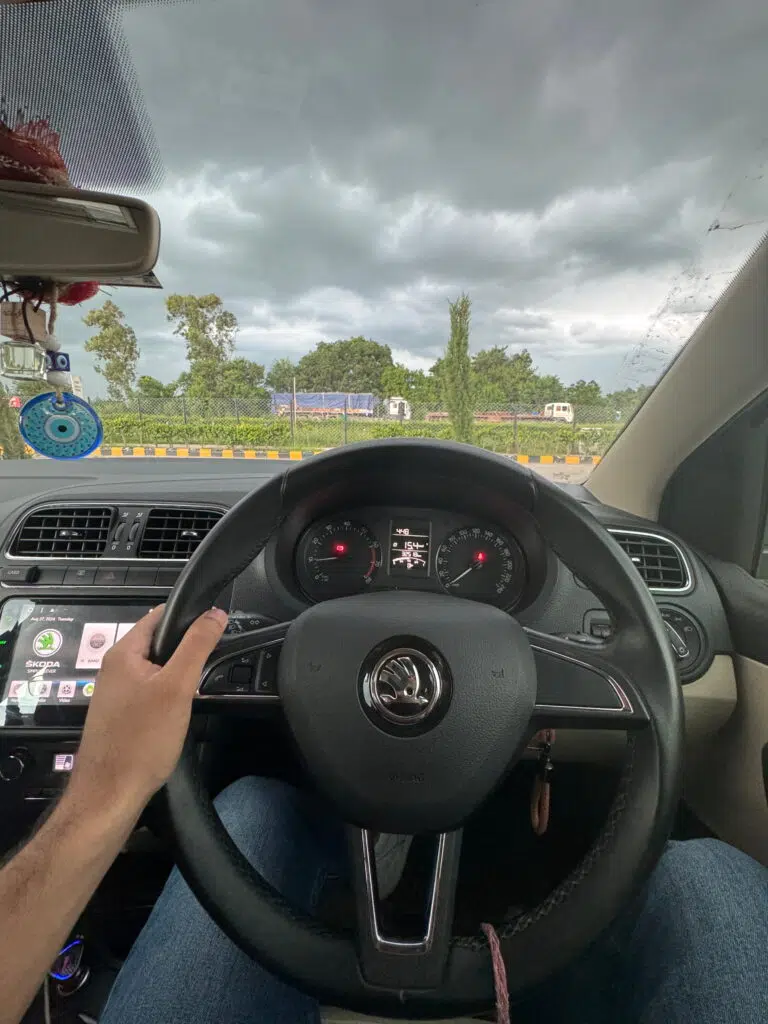
The fuel economy story is more nuanced than most remap articles admit. The 11.3 KMPL photo above was taken stock, 8-9km of city driving with a few pulls mixed in. The 15.4 KMPL shot was taken on the Quantum Red performance map, 22km of mixed highway driving with both spirited and soft inputs. The remap didn’t automatically destroy fuel economy. How you drive and where you drive matters more than whether the map is on or off.
If You Want Fuel Economy
The 1.0 TSI delivers numbers that embarrass larger engines, 20-22 KMPL on highways and 13-15 KMPL in city driving on stock calibration. Those aren’t manufacturer claims. Those are real numbers from real driving. Set it to cruise, keep it below 2500 RPM on the highway, and this three-cylinder will stretch a tank further than most people expect from a turbocharged petrol engine.
If You Want Performance
If you’re a car enthusiast who loves spirited driving and if you’re considering this engine for tuning you probably are, you will make peace with significantly worse fuel economy. After the Quantum Red stage 1 remap the city figure drops to 9-12 KMPL depending entirely on how you drive. Highway returns 17-19 KMPL. The performance map doesn’t punish you for economy driving, it rewards you for enthusiastic driving. The tradeoff is honest and entirely in your hands.
For the exact before and after performance numbers including boost logs and a 2nd gear pull test, read the 1.0 TSI Stage 1 Remap Real World Performance Data.
1.0 TSI Stock Performance – Is It Enough Without a Remap?
Genuinely yes. The stock 1.0 TSI is not a slow car. Early torque from the turbocharger means it responds quickly to throttle inputs in city traffic, overtakes are handled without drama, and the engine never feels strained on a daily commute. For most buyers this engine in stock form is completely sufficient and genuinely enjoyable.
But if you’re a car enthusiast the stock calibration eventually starts feeling like a ceiling rather than a floor. Not because it’s inadequate, it isn’t, but because you can feel the headroom the manufacturer left on the table. The throttle response is deliberate rather than eager. The mid-range could be sharper. The boost comes in conservatively when you know from the engine’s character that it could come in harder.
After 26,000km of genuinely enjoying the stock performance, the remap felt less like fixing something broken and more like unlocking something that was always there.
Why 1.0 TSI Engine Is a Tuner’s Favourite
The 1.0 TSI became popular in the tuning community for a specific reason, Volkswagen Group built significantly more capability into the hardware than the factory software uses. The turbocharger is well matched to the displacement for stage 1 work, the internals are robust enough to handle additional load without hardware upgrades, and the ECU has genuine headroom before the engine reaches its mechanical limits.
Stage 1 is where this engine makes the most sense for most owners. More boost, earlier torque delivery, a wider power band that holds from 2000 RPM all the way to 4500 RPM. The transformation is noticeable in daily driving, not just in straight line performance but in how the car feels responding to everyday inputs.
The engine supports a variety of modifications beyond stage 1 but here is the honest boundary. The 1.0 litre three-cylinder block has limits that larger displacement engines don’t. Stage 3 with custom hardware changes is extracting maximum power from a platform that wasn’t designed to be a performance engine at its core. The displacement is genuinely small and three cylinder engines carry inherent structural constraints that become relevant at the higher stages. Stage 1 works with the engine’s design. Beyond that you’re working against it progressively.
I’ve covered the full stage 1 remap experience in detail, including the tuner decision, the process, and the first drive impression, in the complete 1.0 TSI Stage 1 Remap Review
51,000km – What Has Actually Gone Wrong
Nothing major. That’s the honest answer and it’s worth stating clearly because the internet is full of 1.0 TSI horror stories that don’t reflect careful ownership.
In 51,000km the only unscheduled maintenance has been what you’d expect from a driven car, regular service items like air filter, oil filter, and one set of brake discs and pads. No turbo issues, no coil failures, no injector problems, no mounts needing replacement yet. The engine runs cleanly, pulls consistently, and has given no indication of impending problems. The faults this engine does get across the fleet, and what each costs, are in the 1.0 TSI problems guide.
The brake disc and pad change at 42000km is worth noting for anyone considering the remap. Spirited driving on a stage 1 map means more aggressive braking after more aggressive acceleration. One change in 51,000km is not alarming but it’s a real cost of the performance map that most remap articles don’t mention. Budget for shorter brake service intervals if you drive the performance map the way it’s meant to be driven.
Going forward the honest long-term concerns with a remapped 1.0 TSI are real even if they haven’t materialised yet. The turbo is working harder than stock. The engine is running on more load. Fuel injection volumes are higher. Mounts and bolts experience more stress over time. None of this is dramatic at stage 1 with correct fuel and regular servicing, but it means quarterly checks on oil level, coolant, brake fluid, and mount condition become genuinely important rather than just advisory – plus a quick OBD2 scan for pending codes, which takes two minutes with the [Vgate iCar Pro BLE 4.0] I keep in the glovebox. A remapped 1.0 TSI rewards attentive ownership more than a stock one does.
What I Genuinely Don’t Like About 1.0 TSI Engine After 51,000km
Loud above 4000 RPM. The three-cylinder character becomes genuinely vocal at the top of the rev range. Not unpleasant but persistent, you will hear it on every spirited drive.
Vibration above 4000 RPM. Felt through the brake pedal, accelerator and gear knob above 4500 RPM. The engine mounts manage it well at normal RPM but it is always there at the limit.
Below 1800 RPM this engine barely exists. No turbo, no torque, just a small three-cylinder working against its displacement. In city driving this rarely matters. On hilly terrain it becomes a genuine problem, the Shimla trip made this clear. On steep gradients 1st and 2nd gear are your only realistic options, meaning more gear changes, more clutch engagement, more heat, more stress on drivetrain components. If you commute daily through serious elevation changes, the 1.0 TSI manages but works noticeably harder than an engine with broader low-RPM torque.
Is the 1.0 TSI Reliable Long Term?
At 51,000km the honest answer is yes, with conditions. Stock, this engine is dependable and well-engineered for daily use. No major failures, no surprise component replacements, nothing that suggests the internals are struggling under normal ownership. Remapped, the reliability picture doesn’t collapse but it does demand more from you as an owner. The turbo is working harder, the engine is under more load, and the brakes wear faster, the brake pad warning light on the dashboard is one you will see, one full disc and pad change in 51,000kms is the direct and measurable cost of driving a performance map the way it deserves to be driven. That’s not a dealbreaker but it’s a real number that should be in your budget.
The owners who have long-term problems with this engine are almost always the ones who ignored it, wrong oil specification, skipped service intervals, cheap fuel on a performance map, no attention to mount condition or coolant levels. Treat it properly and the 1.0 TSI will go well beyond 100,000km without drama whether it’s remapped or not. For full maintenance cost breakdowns across 50,000 km of 1.0 TSI ownership, see my skoda service package review.
1.0 TSI – Is It Worth Buying in 2026?
Yes. I will definitely buy it again.
The 1.0 TSI in a 2021 Skoda Rapid Style Manual is a genuinely good engine that rewards enthusiast ownership and punishes neglect. It’s fuel efficient when you want economy, genuinely quick when you want performance, and tuner-friendly in a way that makes stage 1 remapping feel like the version the engineers always intended.
The cons are real, the low RPM weakness on hills, the vocal character above 4000 RPM, the fuel economy hit on the performance map, the attentive maintenance that a remapped turbo engine deserves. None of them are dealbreakers for a car enthusiast who goes in with open eyes.
If I were buying again today I’d probably look at the 1.5 TSI. Better specs, more displacement, a more refined version of the same basic formula with the cylinder deactivation system that genuinely improves efficiency. But I don’t regret 51,000km with the 1.0 TSI for a moment. It taught me more about how a modern turbocharged engine actually behaves than any amount of reading could have.
For a first enthusiast car, a daily driver with tuning potential, or a budget-conscious performance purchase, the 1.0 TSI is still one of the most complete small engines you can buy in this segment. Just take it to Shimla or any other hilly area before you decide.
Conclusion
The 1.0 TSI is genuinely two engines in one depending on how you drive it. Stock fuel economy is excellent. Stage 1 remap transforms the mid-range completely. Long-term reliability at 51,000km has been solid with attentive maintenance. The weakness below 1800 RPM is real and matters on hilly roads. The noise and vibration above 4000 RPM is the engine’s honest personality rather than a flaw. It’s worth buying. It’s worth remapping. It deserves to be maintained properly.
FAQs
Yes. 51,000km of daily driving with no major failures beyond routine service items. Correct oil spec, right fuel, and timely servicing is all it needs.
Not ideal. Below 1800 RPM power is minimal, forcing constant lower gear use on steep gradients. It manages hilly terrain but works noticeably harder than engines with broader low RPM torque.
Yes, for driving enthusiasts. Stage 1 significantly improves mid-range torque and throttle response with the tradeoff of lower fuel economy and more attentive maintenance. Full before and after data in the 1.0 TSI Stage 1 Remap Review.
Carbon buildup on intake valves after 60,000km plus, coil pack sensitivity to poor fuel, and oil consumption from wrong spec oil. All maintenance-related and preventable — not design flaws.
Minimal. No top-ups needed between services at 51,000km on VW 508.00 0W-20. High consumption reports almost always come down to wrong oil spec or stretched service intervals.
Not on the EA211 generation. At 51,000km — no cold start rattle, no tensioner noise, no related codes. Timing chain issues are an EA111 problem, not EA211.
Last Updated: August 2026

Founder of TheCarLane | Automotive Enthusiast
Ayush shares practical automotive knowledge based on real-world ownership and hands-on experience. His work focuses on diagnostics, engine systems, common car problems, and clear explanations that help everyday drivers understand their vehicles better.


He is honest really ! Mine too with this engine of 2021 but with AT, performed the very same; Scheduled maintance without any miss and one time brake shoe replacement at 70K KMs, Still roaring between Chennai and Bangalore. This is my 4th VW vehicle since its 2010 India launch. Previously, I had the habit of hopping to newer VWs every 3-4 years but now i have made up my mind to retain this Taigun 1.0 litre TSI for atleast 5 more years. Come October 8th, it is 6th Birth Day !!!
Thank you Sekar, and that is exactly the ownership record this engine deserves to be known for. 70,000 km on scheduled servicing with only brake shoes replaced matches what I see on my own Rapid. One thing worth asking for at your next service now the car is past five years: a timing belt inspection. These engines run a belt, not a chain, and rubber ages by time as well as kilometres. I cover the intervals in my 1.0 TSI service guide if useful. How is the AT holding up on the Chennai–Bangalore run — still smooth at a steady 100?