
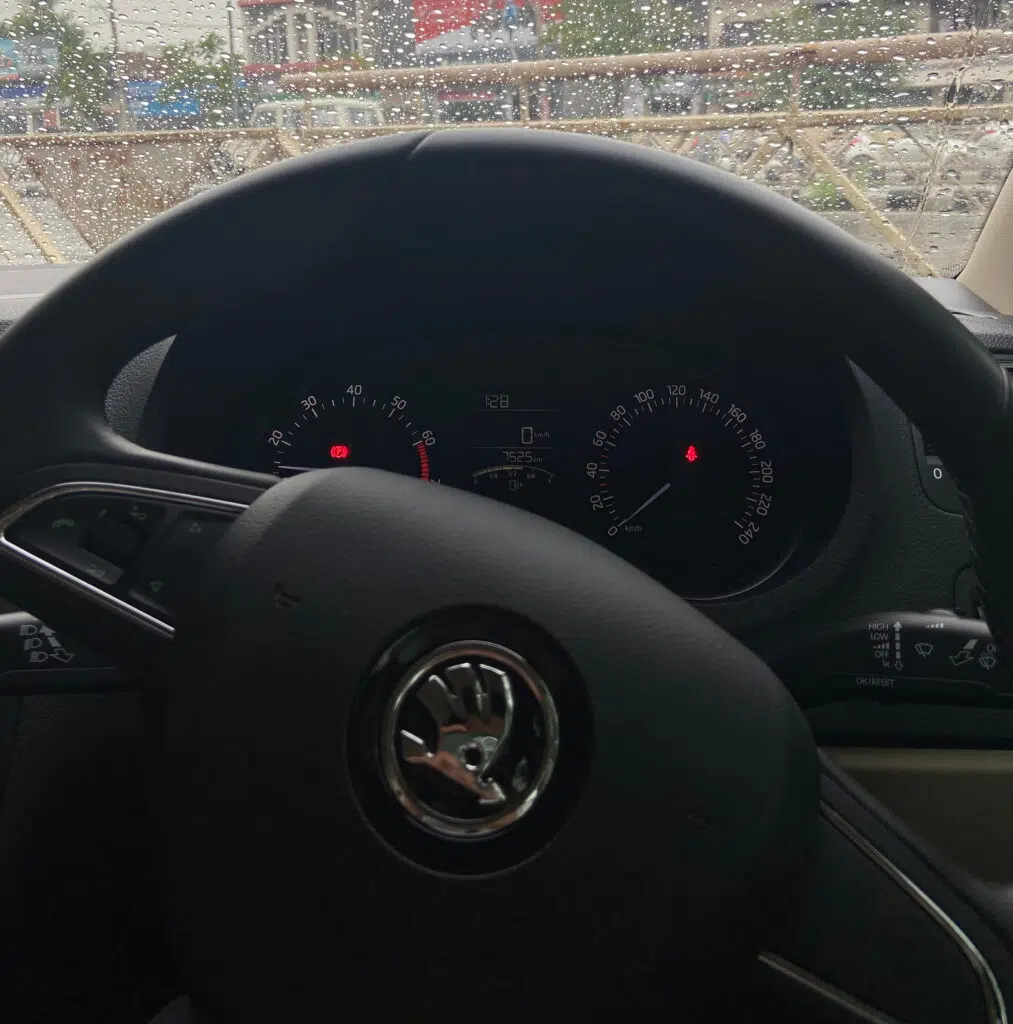
A warning light on your Skoda dashboard does not always mean something is seriously wrong. Some lights are purely informational. Others need attention within a few days. A small number mean stop driving immediately. Knowing which is which saves you from an unnecessary panic or from ignoring something that actually matters.
This guide covers every common Skoda warning light, what colour and behaviour tells you about urgency, and exactly what to do for each one.
Flashing vs Steady – What It Actually Means
Before looking up what a warning light means, check one thing first, is it flashing or steady?
A steady light means a fault has been logged. The car knows something is wrong but it is not happening actively right now. In most cases you can drive carefully to a garage within a day or two.
When the indicator lights blink, it indicates that there is currently an issue. The engine management indicator blinking indicates that there is a current misfire. The glow plug indicator blinking indicates that there is a current problem with the engine management system. In both scenarios, slow down and stop as soon as possible.
One exception, a flashing ESC light is normal and simply means the system is actively stabilising the car.
The Colour System – Start Here
Every Skoda warning light uses a three-colour system that tells you how urgently you need to act before you even know what the symbol means.
Red means stop or act immediately. A red warning light indicates a serious fault that could damage your engine, compromise your safety, or leave you stranded. If a red light appears while driving, find a safe place to pull over and do not ignore it.
Yellow or amber means attention required soon. Something is not working correctly but the car is generally still safe to drive for a short distance. You should investigate and fix the issue within a day or two rather than leaving it for weeks.
Green is informational. A green light simply confirms a system is active, cruise control is on, your headlights are on full beam, your indicators are working. No action needed.
Blue is also informational. The most common blue light is the coolant temperature indicator that appears when the engine is cold. It disappears once the engine warms up normally.
Red Warning Lights – Stop or Act Immediately

Handbrake
The handbrake is applied. Release it fully before driving. If the light stays on after fully releasing the handbrake, your brake fluid level may be low or there is a fault in the braking system. Do not drive until you have identified the cause.

Brake System
Brake fluid level is too low or there is a fault in the braking system. Stop driving immediately and seek assistance from a specialist garage. A fault in the braking system can significantly increase stopping distances, this is a safety-critical warning that should never be ignored.

Battery and Alternator
The electrical charging system has failed and your battery is no longer being charged while the engine runs. Switch off non-essential electrical consumers, air conditioning, heated seats, rear demister. You can usually drive a short distance but the car will eventually lose all electrical power. Drive directly to a garage. If the coolant warning light also illuminates alongside this one, stop driving immediately as there is a risk of engine damage. For the full picture, including how long you can actually drive, the voltage numbers to check, and why start-stop cars need their battery registered, see the complete battery warning light guide.
Seatbelt Not Fastened
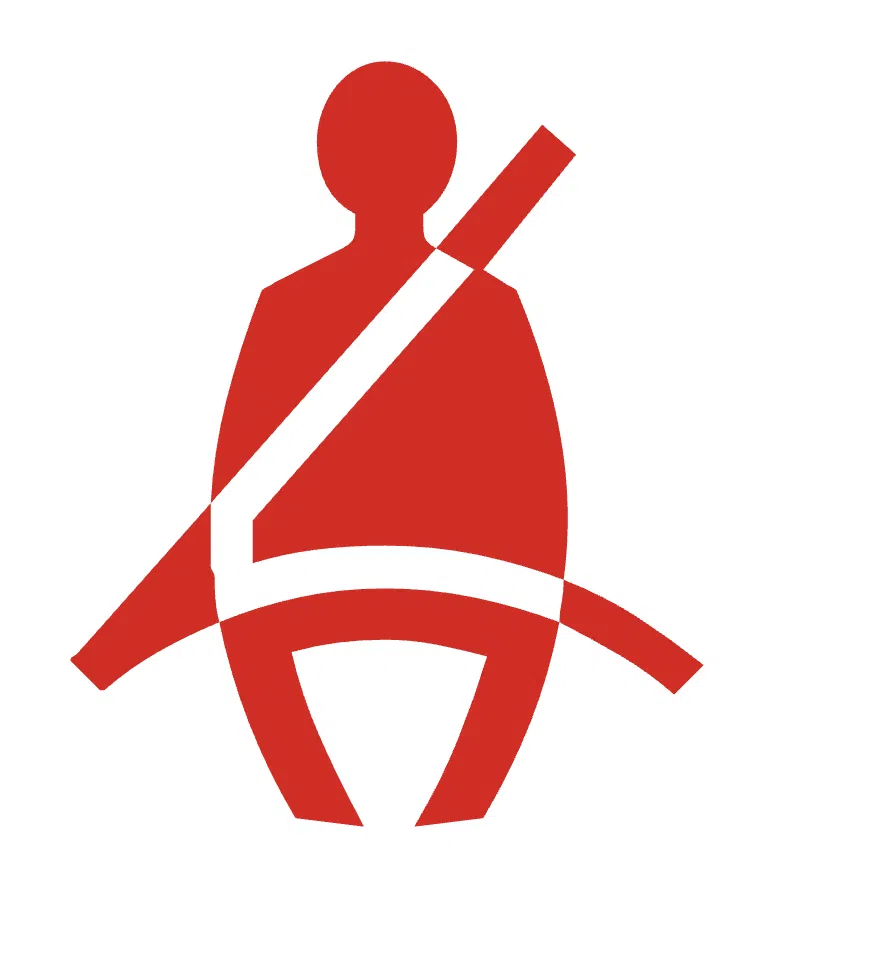
The driver or a passenger seatbelt is not fastened. Fasten the seatbelt and the light clears immediately. If it stays on after fastening there may be a fault in the buckle sensor, contact a garage.

Door Open
One or more doors are not properly closed. Check all doors including the rear doors. If the light stays on after closing all doors, contact a specialist garage as there may be a fault in the door latch sensor.
Engine Oil Pressure
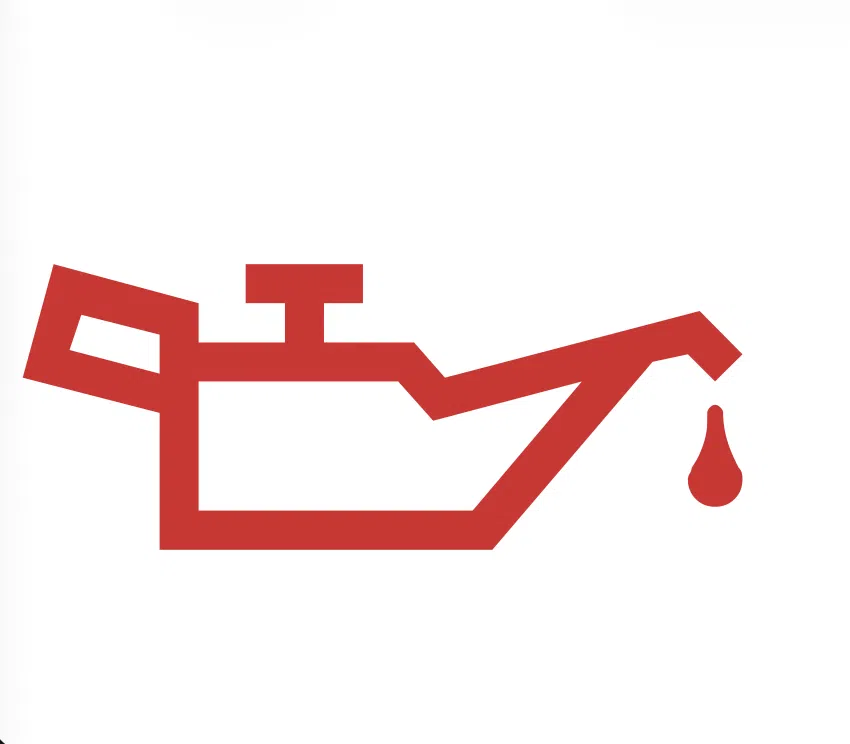
This is one of the most serious warning lights on any Skoda dashboard. It means oil pressure has dropped dangerously low. Stop the engine immediately, do not restart it, and check the oil level. Running an engine with low oil pressure causes permanent damage within minutes. If the oil level is correct and the light stays on, do not drive, call for assistance. On the 1.0 TSI specifically, the sump is relatively small and oil pressure drops quickly when levels fall below minimum.
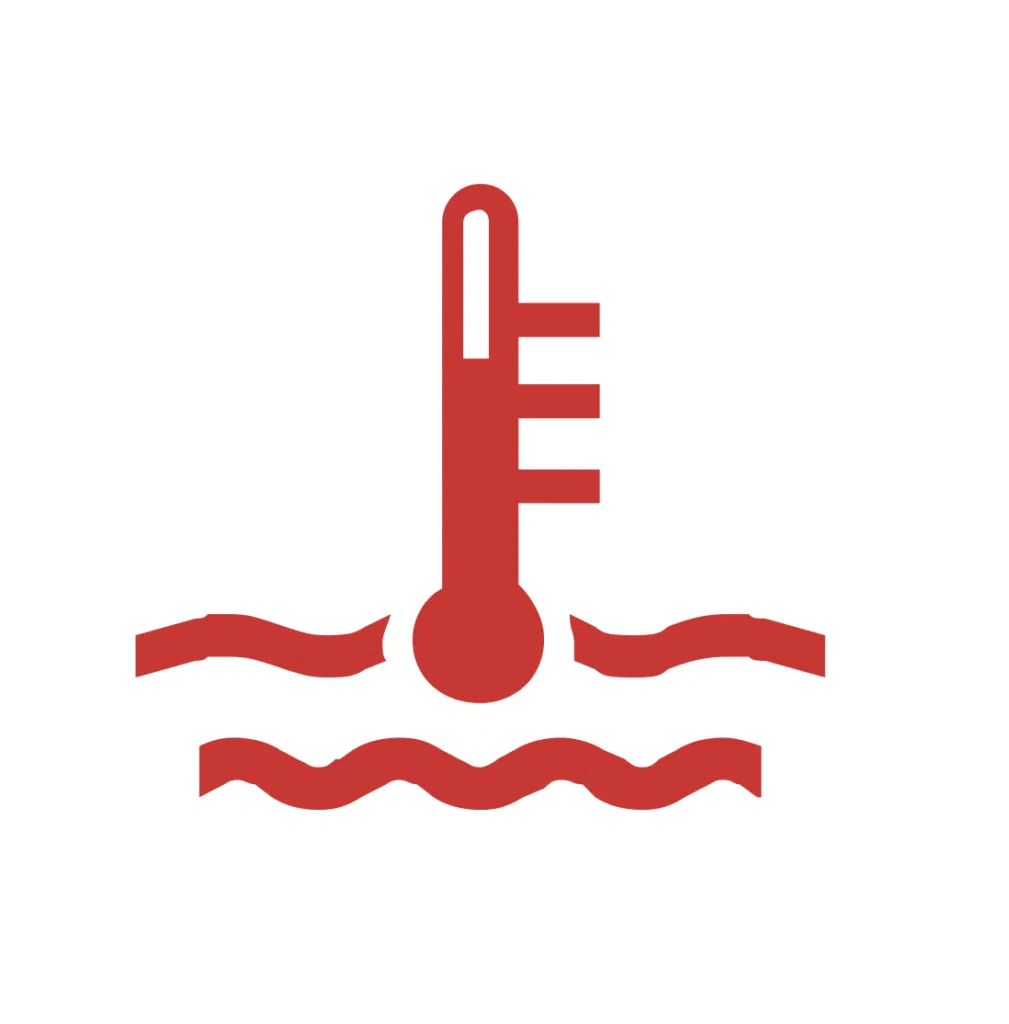
Coolant Temperature
Your engine is overheating or the coolant level is critically low. Pull over safely, switch off the engine, and allow at least 20 minutes to cool before opening the bonnet. Check the coolant level once cool. Driving an overheating engine risks warping the cylinder head which is an extremely expensive repair. If the coolant level is correct but the light returns, there may be a cooling fan fault, do not continue driving.
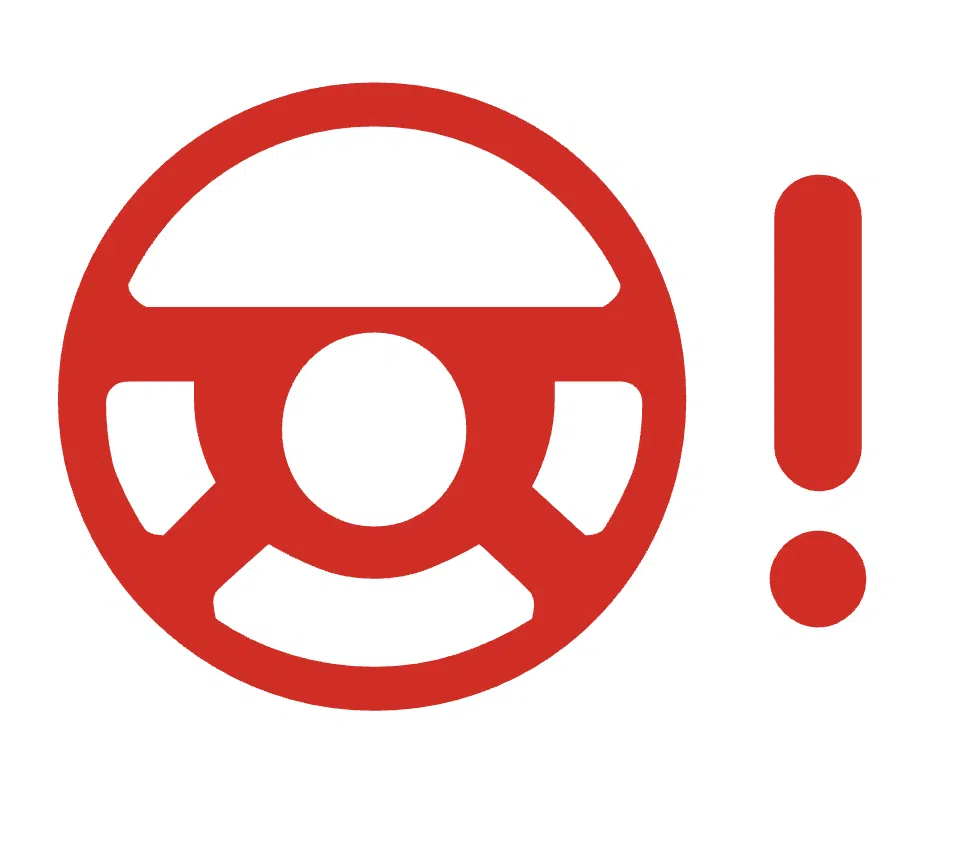
Power Steering
Complete failure of the power steering, steering assist is no longer working and steering forces will be significantly higher. Stop the vehicle safely and do not continue driving. Seek help from a specialist garage. Try switching the ignition off and restarting first, if the light clears, drive carefully to a garage immediately.
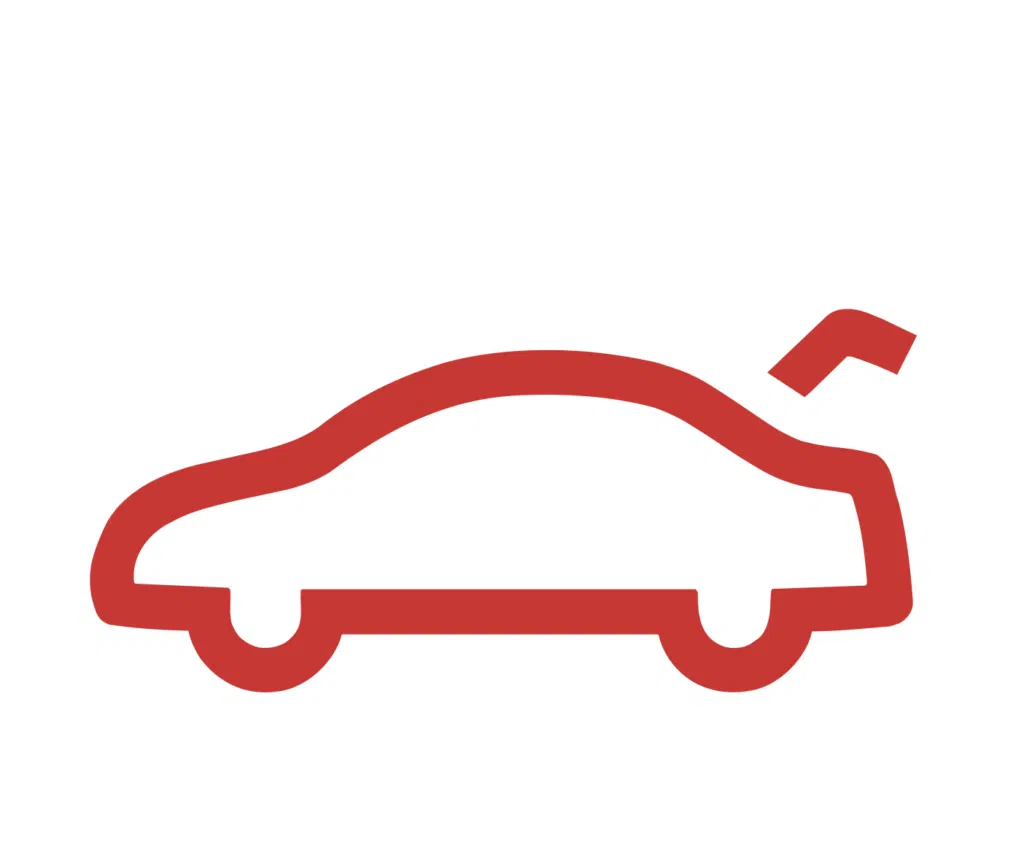
Boot Lid Open
The boot lid is not properly closed. Check it is fully shut. If the light remains on after closing, there may be a fault in the boot latch sensor, contact a garage.
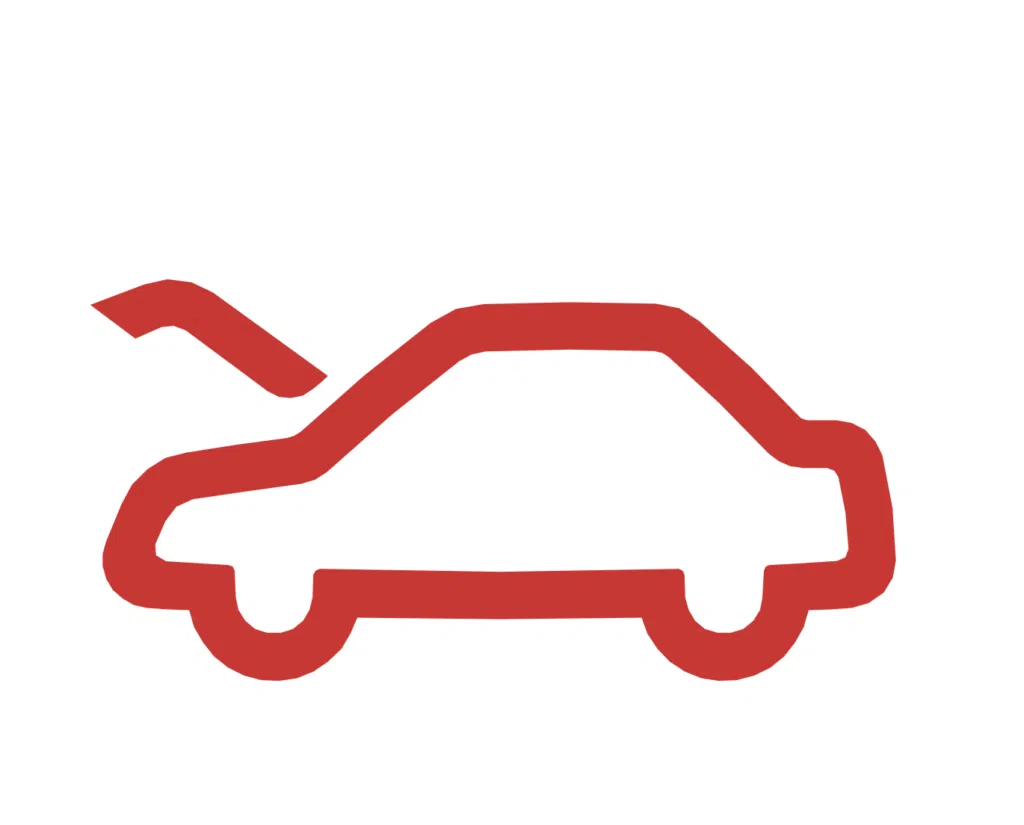
Bonnet Open
The bonnet is not properly latched. Stop safely and check the bonnet is fully closed before continuing. A bonnet opening at speed is extremely dangerous.
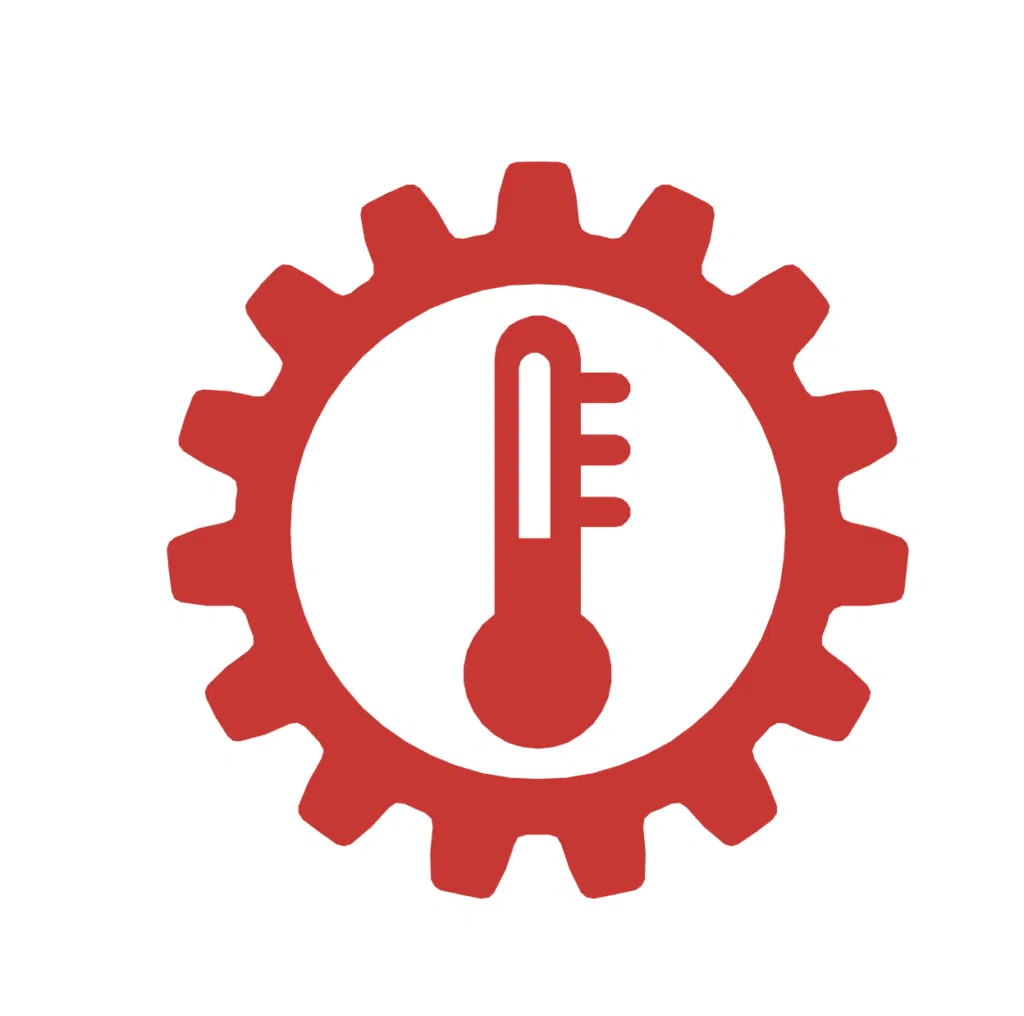
Gearbox Temperature
The gearbox temperature has reached a critically high level. Pull over safely and allow the gearbox to cool before continuing. This appears most commonly on DSG automatic gearboxes after repeated heavy acceleration or towing on inclines. Do not continue driving until the light clears.

Automatic Gearbox Fault
A serious fault has been detected in the automatic or DSG gearbox. Stop driving as soon as it is safe. Risk of gearbox damage if you continue. Contact roadside assistance. This is the more serious red version of the amber gearbox warning, do not ignore it.

AdBlue Level Critical
Diesel models only. The AdBlue tank has reached zero range. Once this light appears the car will not restart after the ignition is switched off until the AdBlue system is fully topped up. Do not switch off the engine until you have reached a filling station or garage. AdBlue is available at most fuel stations and can be added by the driver without specialist tools.
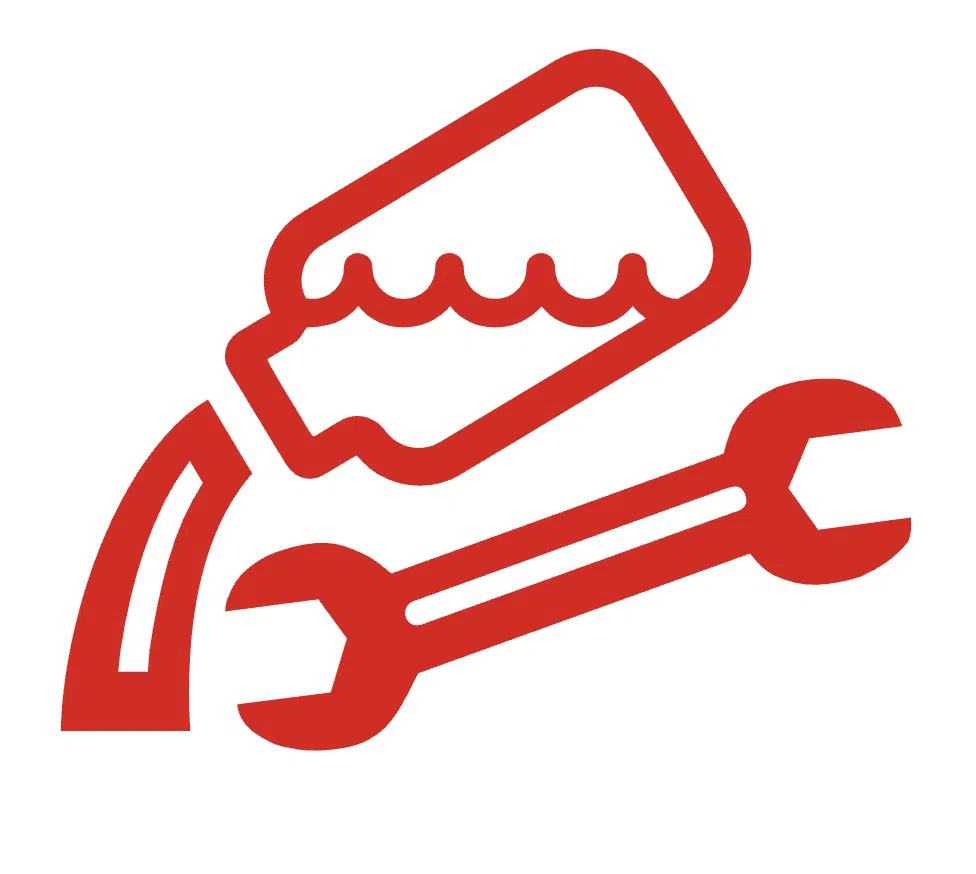
AdBlue System Fault
Diesel models only. A fault in the AdBlue injection system rather than just low fluid level. This requires diagnosis and repair at a specialist garage, topping up AdBlue will not resolve this warning. The car may enter a reduced performance mode.
Yellow Warning Lights – Attention Required Soon
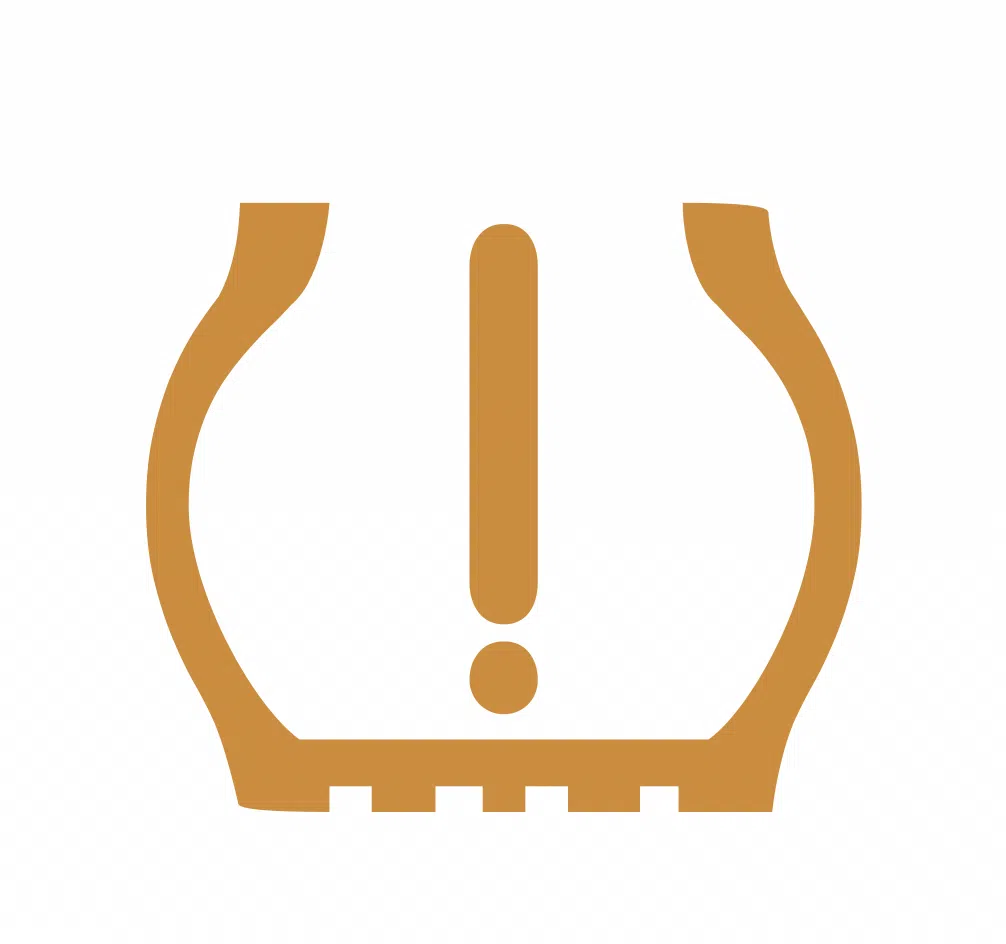
Tyre Pressure Warning Light
One or more tyres has dropped about a fifth below the stored pressure, or you inflated the tyres and never stored the new values. Check all four with a gauge, cold, and inflate to the sticker in the fuel filler flap. Then store the pressures: CAR, Tyres, SET on a touchscreen car, or hold the SET button near the gear lever until the chime on an older one. If the light flashes for a minute before it settles, the system has a fault, usually a wheel speed sensor, and no reset will clear it. The reset for every Skoda, and what the flashing light means, is on the tyre pressure warning light reset page.
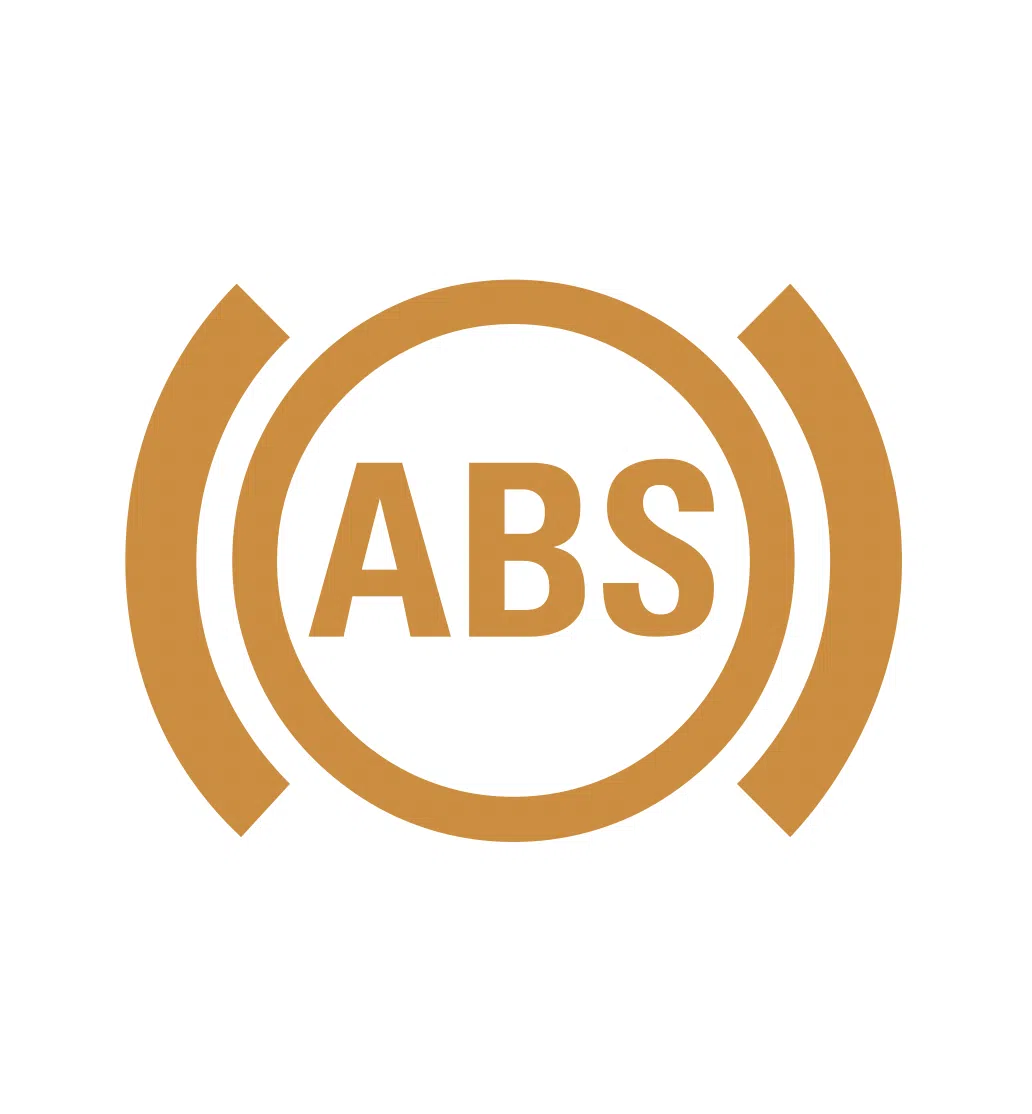
ABS – Anti-Lock Braking System
A fault has been detected in the anti-lock braking system. Your brakes still work normally but ABS will not activate in an emergency stop, which increases stopping distances on wet or loose surfaces. Drive carefully to a garage without delay — do not wait days to get this checked. If this light appears alongside the red brake system warning light, stop driving immediately.
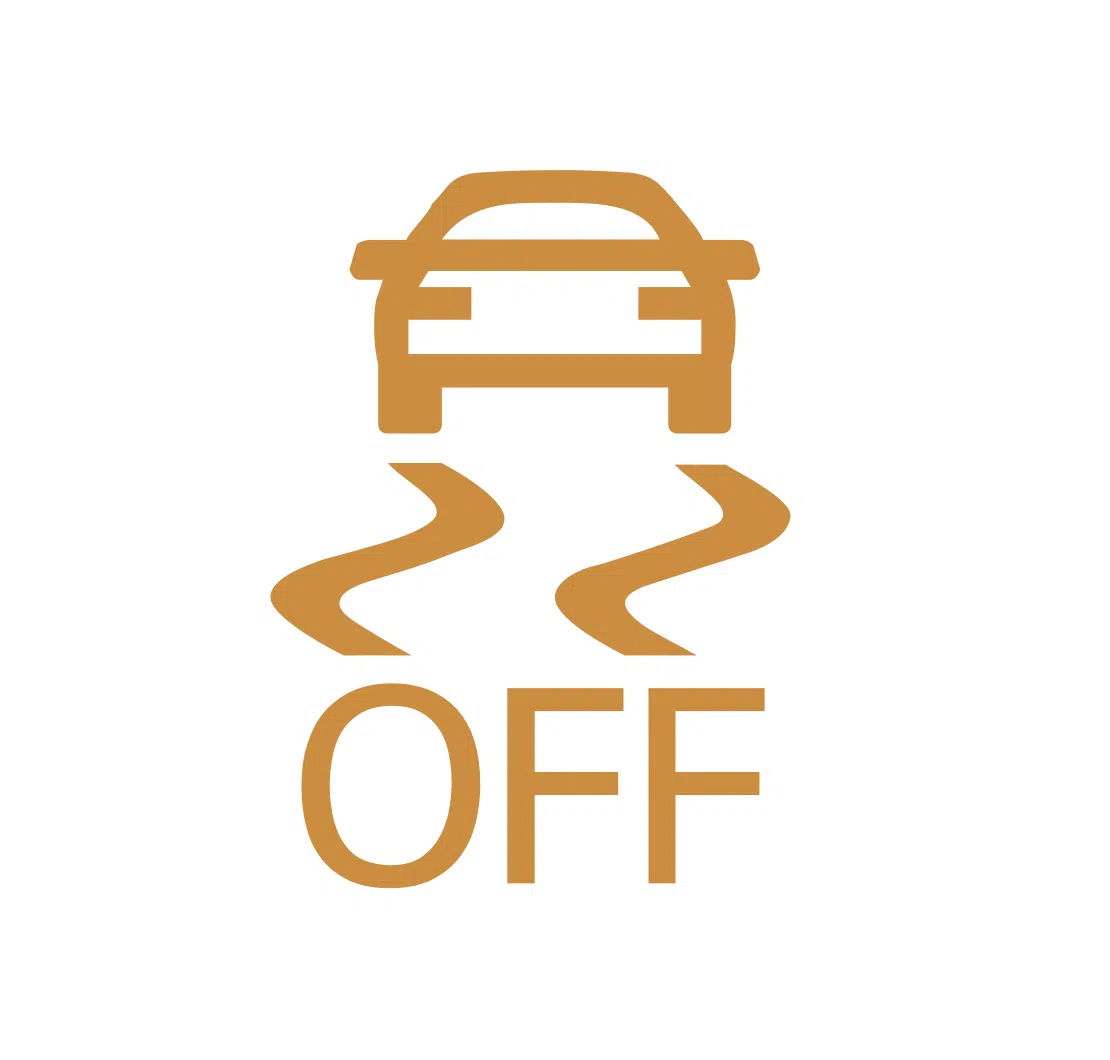
Traction Control Off
Traction control has been deactivated either manually or due to a system fault. If you deliberately switched it off, this is normal. If it appeared without input, there may be a fault in the ESC system, drive carefully and seek a garage soon.

Rear Fog Light
The rear fog light is switched on. Only use rear fog lights in conditions of seriously reduced visibility, fog, heavy snow, or heavy rain. Leaving them on in clear conditions dazzles following drivers and is an offence under Highway Code Rule 226.
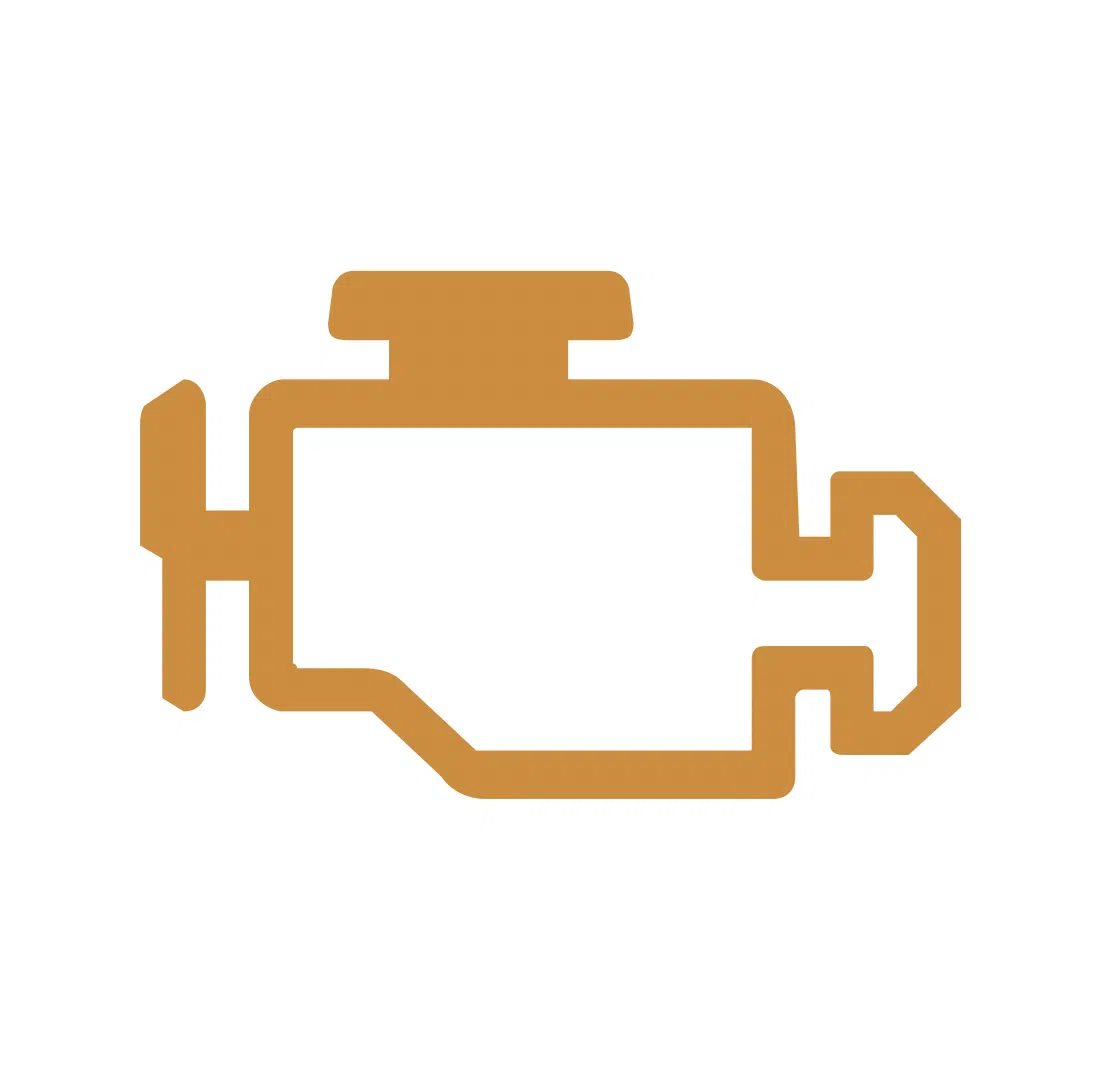
Engine Management Light
A fault has been logged in the engine management system. A steady yellow light means the car is generally safe to drive short distances but should be scanned with an OBD2 reader to identify the specific fault code before visiting a garage. A flashing engine management light means an active misfire, ease off the throttle and stop driving as soon as safe to protect the catalytic converter. You can read the full guide on Skoda engine management light.

Glow Plug System – Diesel
Diesel Skoda only. After switching on the ignition the glow plug light illuminates briefly while the plugs heat, this is normal. Wait for it to go out before starting the engine. If it stays on continuously or does not illuminate at all, there is a glow plug system fault. Cold starts may become difficult. If the light flashes, there is a more serious engine management fault, drive carefully to a garage. You can read the full guide here on Glow Plug Light.

EPC – Petrol Engines
EPC stands for Electronic Power Control. It indicates a fault in the engine management or throttle system on petrol Skodas including the 1.0 TSI and 1.5 TSI fitted to the Fabia, Octavia, Rapid, Kamiq, and Karoq. There may be a noticeable reduction in power as the system enters emergency mode. The car is usually still driveable but scan the fault code with an OBD2 reader before visiting a garage – a MAF or intake-leak fault here usually stores the lean-mixture code P0171, and a throttle fault stores P2100. For a full guide to EPC faults on VAG engines see our EPC warning light guide.
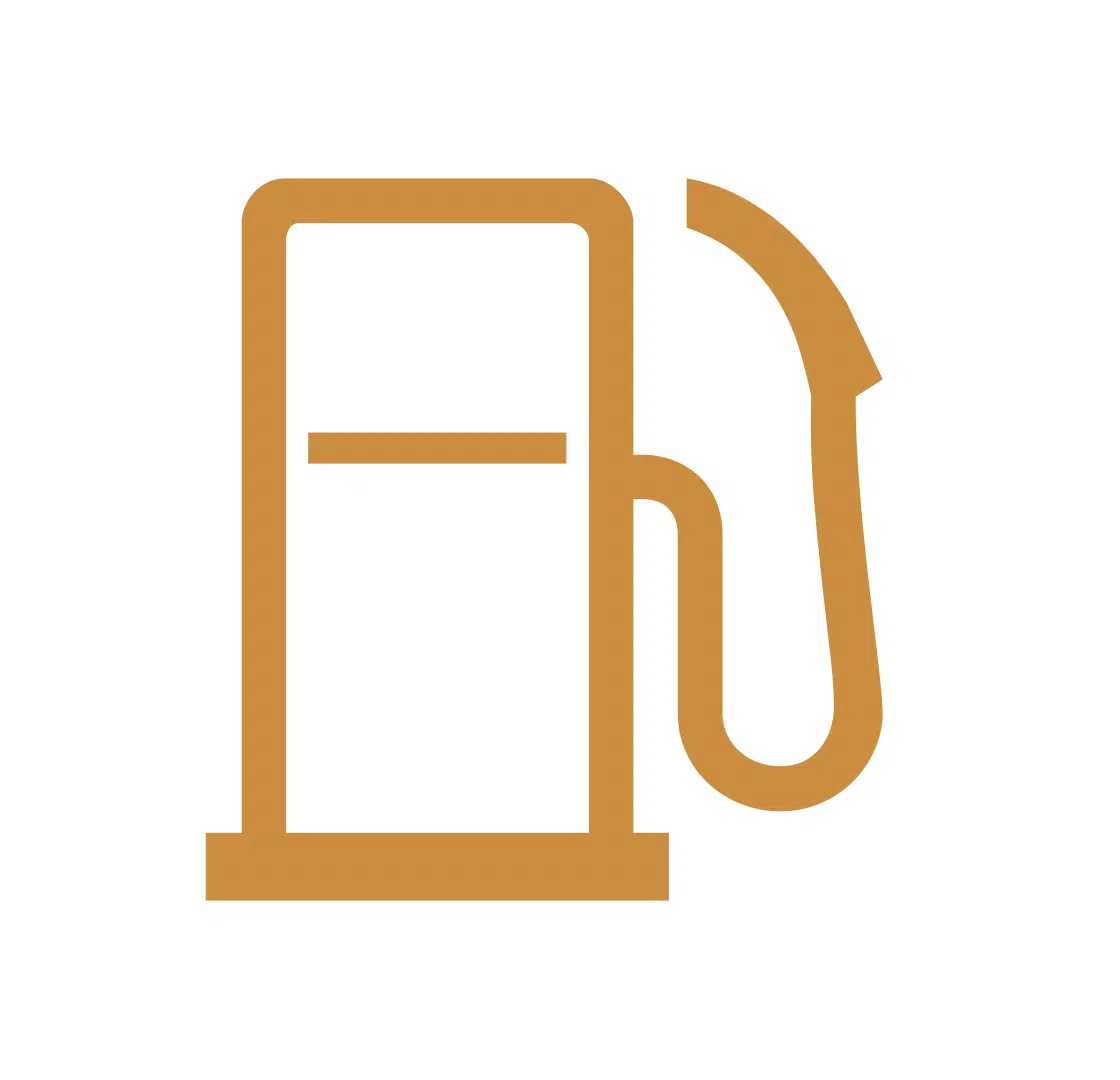
Fuel Reserve
The fuel level has reached the reserve. Fill up at the nearest fuel station. The Skoda Rapid has approximately 55 litres total capacity, the reserve light typically illuminates with around 7 to 8 litres remaining giving you approximately 100 to 120 km of range depending on driving style.

Airbag System
A fault in the airbag or seatbelt pretensioner system. Drive carefully to a specialist garage immediately. When there is a fault in the airbag system there is a risk the system will not deploy in an accident. Do not delay getting this checked.
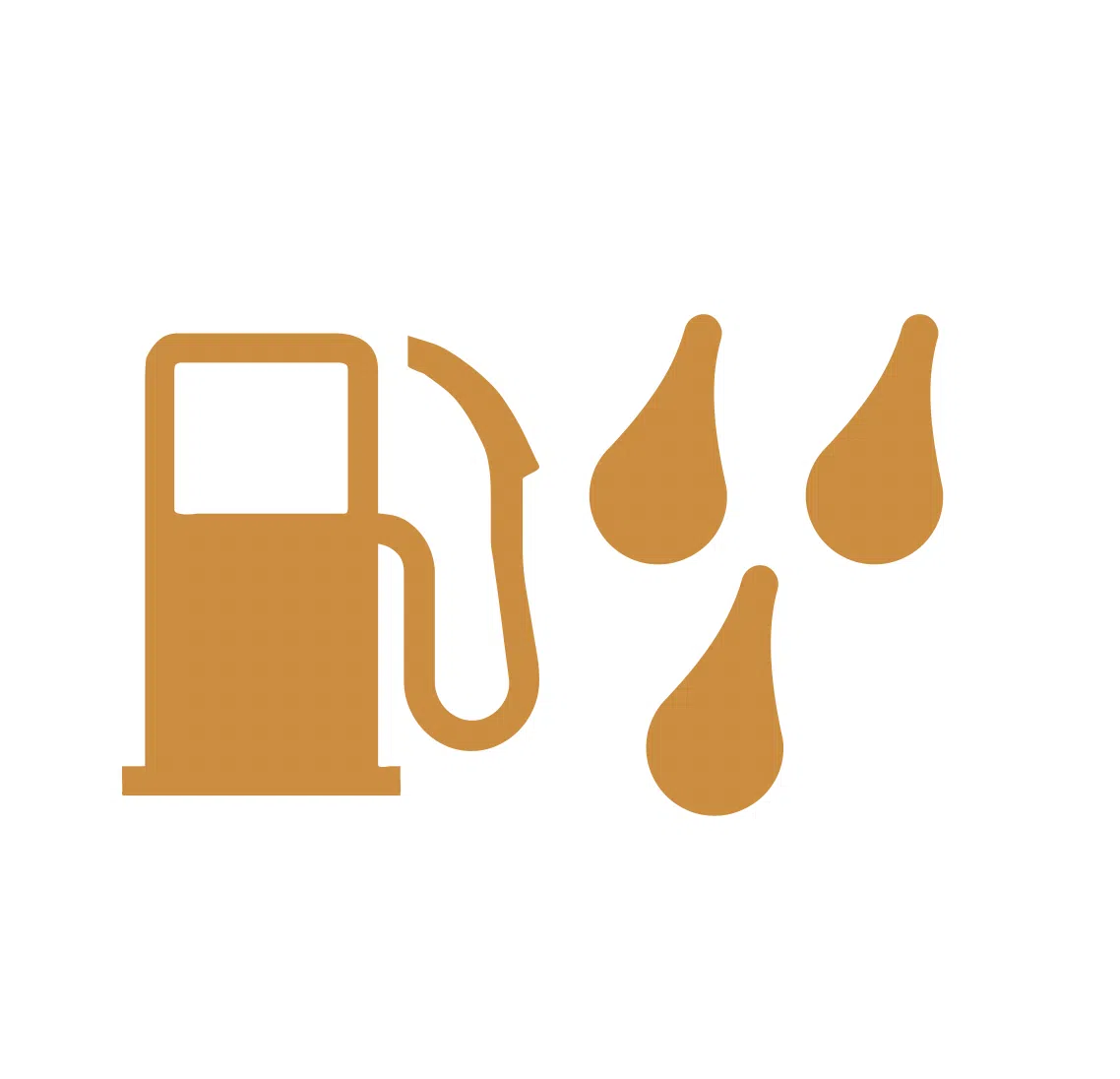
Water in Fuel Filter – Diesel
Diesel models only. Too much water has accumulated in the fuel filter separator. Drive carefully to a specialist garage, the water filter needs draining. You can continue driving with care but do not ignore this light as water contamination can damage fuel injectors.
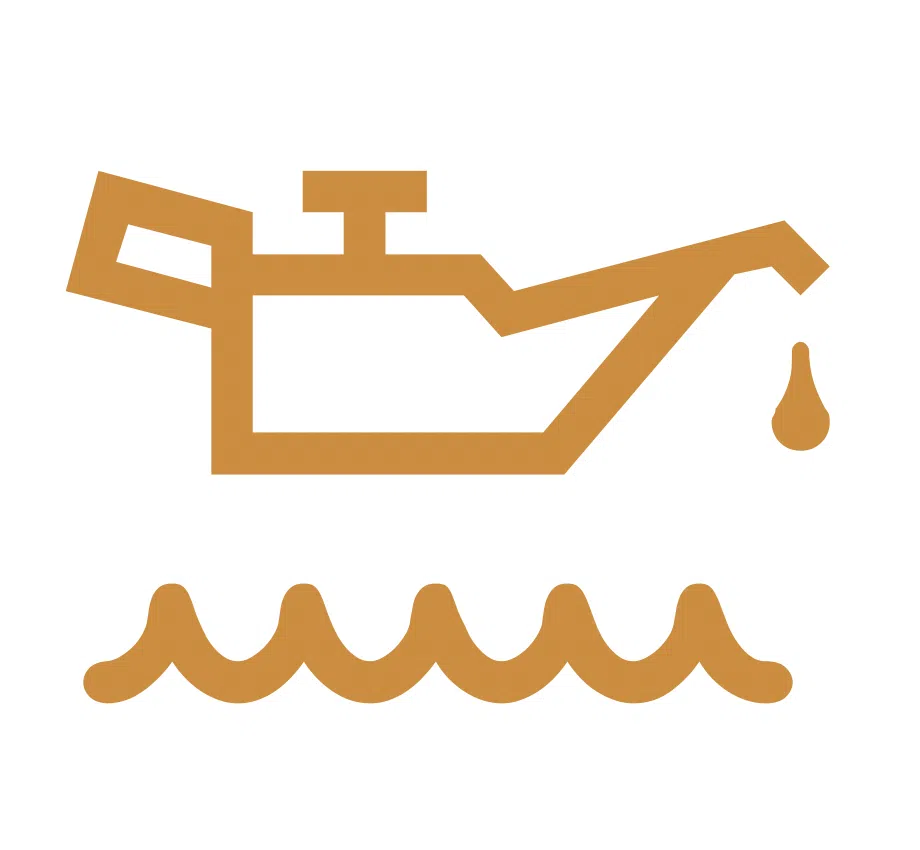
Engine Oil Level – Yellow
The engine oil level is low, different from the red oil pressure warning which is a stop-immediately situation. Pull over when safe, wait for the engine to cool slightly, and check the oil level on the dipstick. Top up with the correct specification oil if below minimum. On the 1.0 TSI the correct oil is VW 508.00 0W-20 fully synthetic.

Low Temperature / Snowflake
Diesel models only. A fault in the AdBlue injection system rather than just low fluid level. This requires diagnosis and repair at a specialist garage — topping up AdBlue will not resolve this warning. The car may enter a reduced performance mode.

Service Due
A service interval is approaching or has been reached. The distance and days remaining until the next service are shown in the instrument display. Book a service appointment soon, ignoring this does not cause immediate damage but continuing past a service interval on a remapped 1.0 TSI specifically can affect oil quality and turbo longevity.

Bulb Failure
One or more exterior bulbs has failed. Check all lights, headlights, tail lights, brake lights, indicators, and number plate lights. Replace the defective bulb promptly. Driving with failed exterior lights is an MOT failure and a Highway Code offence between sunset and sunrise.
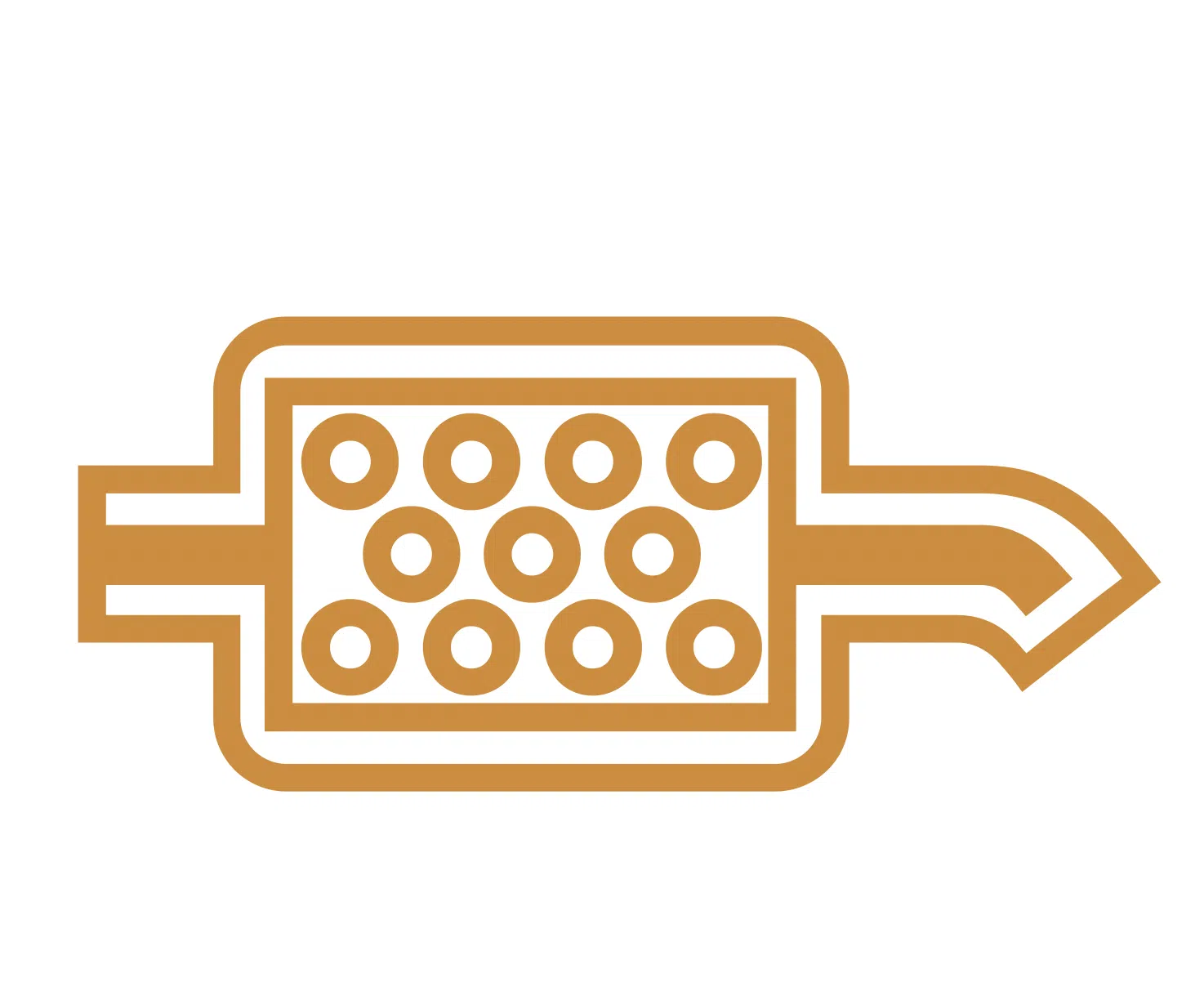
DPF – Diesel Particulate Filter
Diesel models only. The diesel particulate filter needs regeneration or has a blockage. If only this light is on, drive at above 60 km/h at 1,500 to 1,800 RPM for at least 15 minutes to allow the filter to regenerate. Check the light 30 minutes later. If it clears, the regeneration was successful. If it remains on or other warning lights also appear, drive to a specialist garage. Short-trip drivers see this light most frequently because the DPF cannot regenerate properly in stop-start urban driving. For a detailed diagnostic walkthrough of this specific light, see our guide on DPF warning light causes and fixes.

DSG / Automatic Gearbox Fault
A fault or elevated temperature has been detected in the DSG or automatic gearbox. A message may appear on your dashboard, follow the instructions. Drive carefully to a garage if safe to do so. If the message instructs you to select P and stop, contact roadside assistance. Do not confuse this amber version with the red gearbox warning which requires you to stop immediately.

Adaptive Suspension Dampers
A fault in the adaptive suspension system. Only appears on models equipped with DCC (Dynamic Chassis Control), the Octavia, Superb, and Kodiaq with adaptive dampers. The car is still driveable but suspension will not adjust automatically between modes. Drive carefully to a garage.

General Warning Triangle
The yellow exclamation mark in a triangle is one of the most searched Skoda warning light symbols. It is a general warning indicator that always appears alongside a specific message on the dashboard display. Check the message, it will tell you exactly which system has triggered the warning. On older Skodas without a display screen it often indicates a tyre pressure issue.

AdBlue Level Low – Yellow
Diesel models only. The AdBlue tank is running low, approximately 1,000 miles of range remaining. This warning repeats every 31 miles and is accompanied by an audible tone. Top up AdBlue at a fuel station before the warning turns red. Once it turns red the car will not restart after the ignition is switched off until fully topped up. You can read further on AdBlue light in this detailed guide.

AdBlue System Fault – Yellow
Diesel models only. A fault in the AdBlue injection system. Drive carefully to a specialist garage, this is a system fault rather than low fluid and cannot be resolved by topping up.

Lane Assist
Lane assist is active but cannot detect road markings, typically in poor weather, on unmarked roads, or when road markings are faded. If accompanied by a system fault message, contact a garage. Otherwise this is normal behaviour in conditions where lane markings are unclear.

Power Steering – Yellow
A partial failure of the power steering, steering forces may be higher than normal but the system has not completely failed. Try switching the ignition off for 30 seconds and restarting. If the light clears, drive to a garage for a check. If it does not clear, drive carefully to a garage avoiding high-speed manoeuvres.
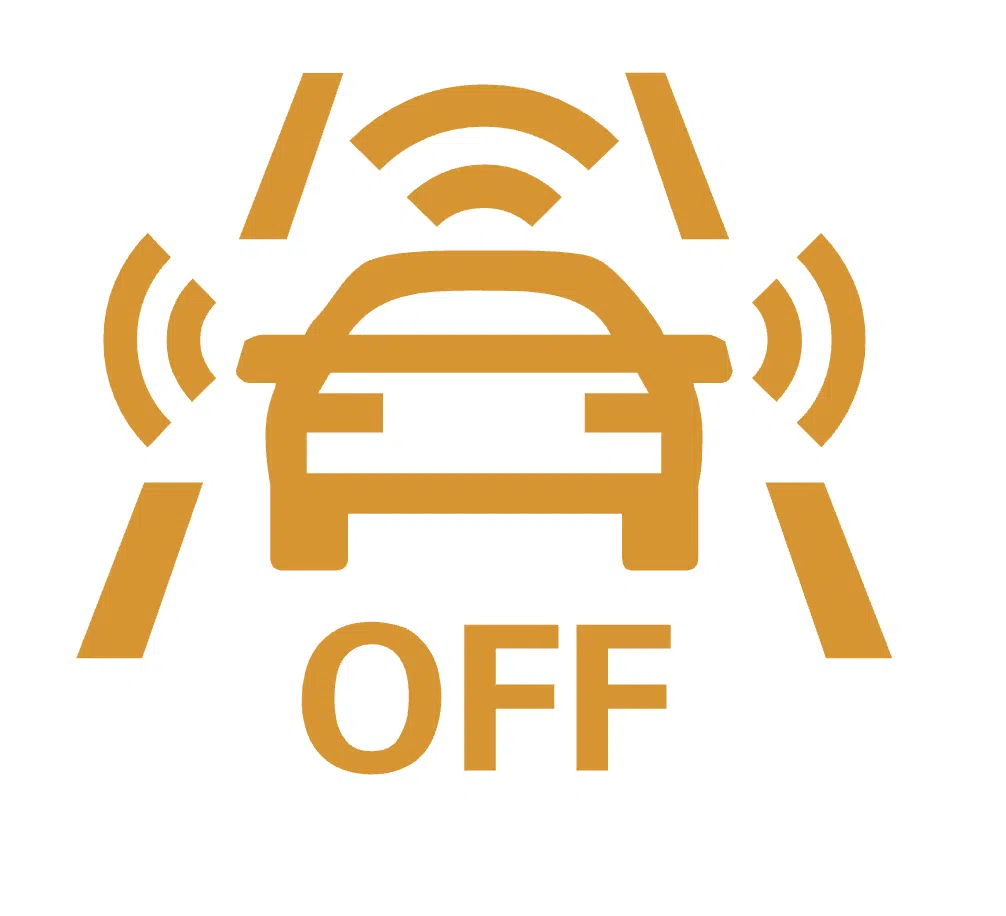
Front Assist Off
The Front Assist automatic emergency braking system has been switched off or is unavailable. On the Kamiq, Karoq, and Kodiaq this system is standard equipment. If you did not deliberately switch it off, there may be a fault in the radar or camera sensor. Clean the front radar area and restart the car. If the light persists, seek a garage.

Key Not Detected
The key fob is not being detected inside the vehicle. Applies to keyless entry models only. The engine cannot be restarted without the key present. Ensure the key is inside the car and not in a bag or pocket with signal-blocking interference. If the key battery is low it may not be detected reliably, replace the key fob battery.
Green and Informational Lights – No Action Required

Turn Signal
Left or right indicator is active. If the indicator flashes at twice its normal rate there is a fault in the turn signal system, check all indicator bulbs and replace any that have failed.
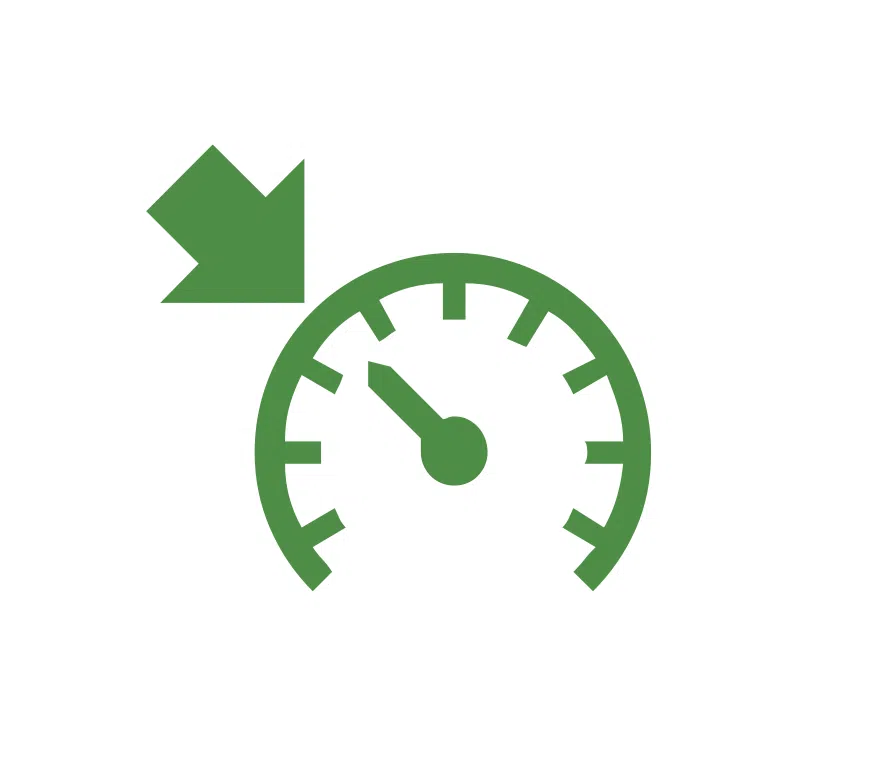
Cruise Control
Cruise control is active and maintaining your set speed. This is normal operation. Refer to your owner’s manual for how to adjust or cancel the set speed.

Brake Pedal – Automatic
Applies to automatic and DSG gearbox models only. Press and hold the brake pedal before moving the gear selector out of Park. This is a normal operational reminder, not a fault.

Lane Assist Active – Green
Lane assist is switched on and road markings are being detected. This is normal operation, the system is actively monitoring lane position. No action required.
Multiple Warning Lights On at the Same Time
Multiple lights appearing together usually point to one underlying fault rather than several separate problems.
Battery and coolant light together – stop immediately. The auxiliary belt may have snapped, cutting both the alternator and water pump simultaneously.
ABS and ESC together – usually a single wheel speed sensor fault triggering both systems. Driveable but get it checked soon.
EPC and engine management together – typically a throttle body, MAF sensor, or boost pressure issue on the 1.0 TSI. Scan with an OBD2 reader before visiting a garage.
Handbrake light and brake system light together – check brake fluid level immediately before driving further.
Warning Lights After a Battery Disconnect
Multiple warning lights appearing after a battery disconnect, replacement, or jump start are completely normal. The car loses its stored system memory and every control unit has to relearn its calibration from scratch.
Driving normally for five to fifteen minutes clears most lights automatically. The power steering and ESC lights sometimes need a full steering lock to lock at low speed before they clear. If lights persist after 20 minutes of normal driving, a genuine fault is present.
Warning Lights on Startup – Is This Normal
All warning lights illuminating for two to three seconds when you turn the ignition on is completely normal. This is a system self-check confirming all warning light circuits are working correctly.
All lights should disappear within a few seconds of the engine starting. On diesel models the glow plug light stays on briefly while the plugs heat, wait for it to go out before starting the engine in cold weather.
If any light does not go off within ten seconds of the engine starting, that system has failed its self-check and a fault is present.
Which Models Commonly Trigger These Warning Lights
Skoda Rapid – Most common are EPC, tyre pressure, engine management, fuel reserve, and oil pressure. The 1.0 TSI has a small sump so oil pressure warnings should be treated with extra urgency.
Skoda Fabia – EPC, engine management, glow plug (diesel), and the exclamation triangle are most frequently reported. The 1.0 TSI Fabia shares identical warning lights with the VW Polo and SEAT Ibiza.
Skoda Octavia – AdBlue, DPF, glow plug, and DSG gearbox warnings are common on diesel variants. The 1.0 TSI and 1.5 TSI petrol Octavia mirrors the Fabia and Rapid for warning light behaviour.
Skoda Yeti – Exhaust inspection system and glow plug warnings are common on the 1.6 TDI Greenline. These usually indicate emissions system faults rather than immediate mechanical failure.
Skoda Karoq and Kodiaq – Front Assist, SOS eCall, AdBlue (diesel), and tyre pressure warnings are most frequently seen. The Karoq 1.0 TSI shares the EPC warning pattern of the wider VAG group.
Skoda Kamiq – Front Assist, lane assist, and key not detected warnings are common given the model’s standard ADAS equipment fit.
When to Use an OBD2 Scanner
A warning light tells you something is wrong. An OBD2 scanner tells you exactly what. For any yellow warning light without an obvious physical cause, low tyre pressure, low fuel, handbrake left on, connecting an OBD2 scanner before going to a garage is worth doing. It reads the fault code stored by your ECU and gives you a specific starting point rather than paying £60 for a diagnostic fee at a dealership.
The one I actually use on my own Skoda is a cheap Bluetooth adapter that reads the codes straight to my phone, here’s my honest review of it if you want to see which scanner is worth getting.
Can I Drive My Skoda With a Warning Light On?
Red light: No. Pull over safely and do not continue driving until the cause is identified.
Flashing yellow light: No. A flashing warning light indicates an active fault. Ease off and stop driving until investigated.
Steady yellow light: Usually yes for short distances. Get it checked within a day or two.
Green or blue light: Yes. These are informational and require no action.
FAQs
A yellow warning light means attention is required soon but the car is generally safe to drive short distances. The most common yellow light is the tyre pressure warning, followed by the EPC light on petrol models. Investigate and fix within a day or two.
The yellow triangle with an exclamation mark is Skoda’s general warning indicator. It always appears alongside a dashboard message telling you which system triggered it. On older models without a display it most commonly indicates a tyre pressure issue.
koda uses red, yellow, and green warning symbols. Red means stop immediately, yellow means attention required soon, and green is informational. This guide covers all 48 Skoda warning light symbols with what each one means and what to do.
A Skoda dashboard displays warning lights for safety systems such as brakes, ABS, and airbags, engine systems such as oil pressure and coolant, and driver assistance systems such as Front Assist and lane assist. The exact symbols depend on the model and equipment level — newer models like the Kamiq and Karoq have significantly more than older models like the Rapid and Yeti.
In most cases yes for short distances, but yellow lights should be investigated within a day or two. A steady yellow light is less urgent than a flashing one. Never ignore a red warning light.
Last Updated: August 2026

Founder of TheCarLane | Automotive Enthusiast
Ayush shares practical automotive knowledge based on real-world ownership and hands-on experience. His work focuses on diagnostics, engine systems, common car problems, and clear explanations that help everyday drivers understand their vehicles better.